
Last updated November 22, 2026
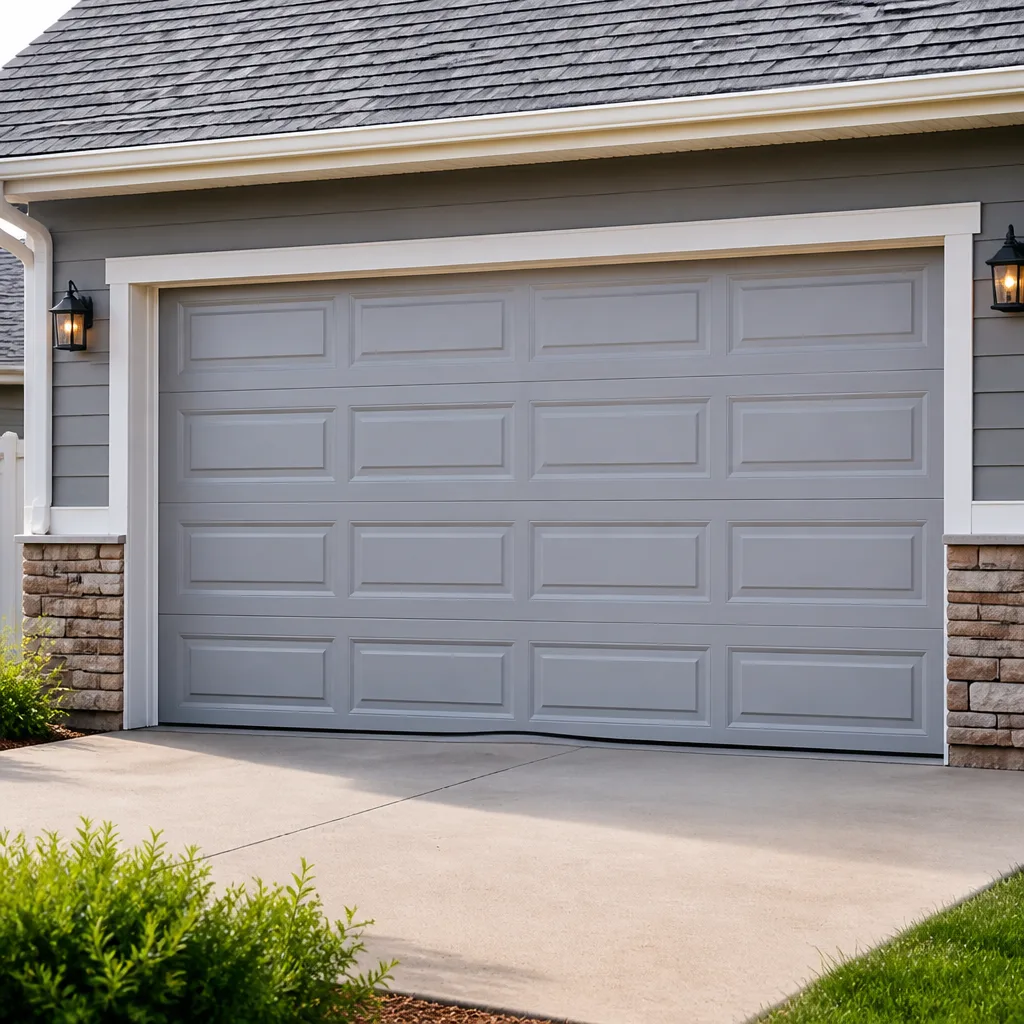 Raised-panel steel
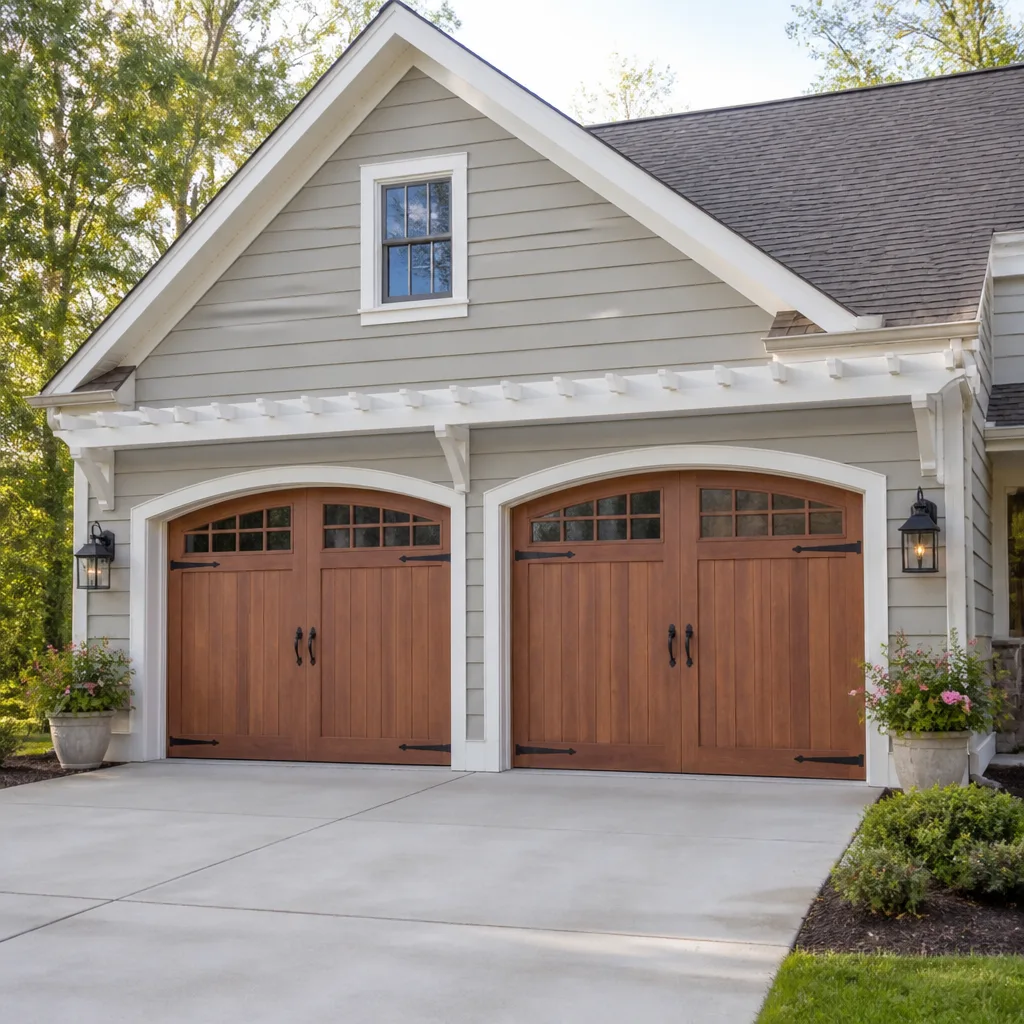 Carriage house
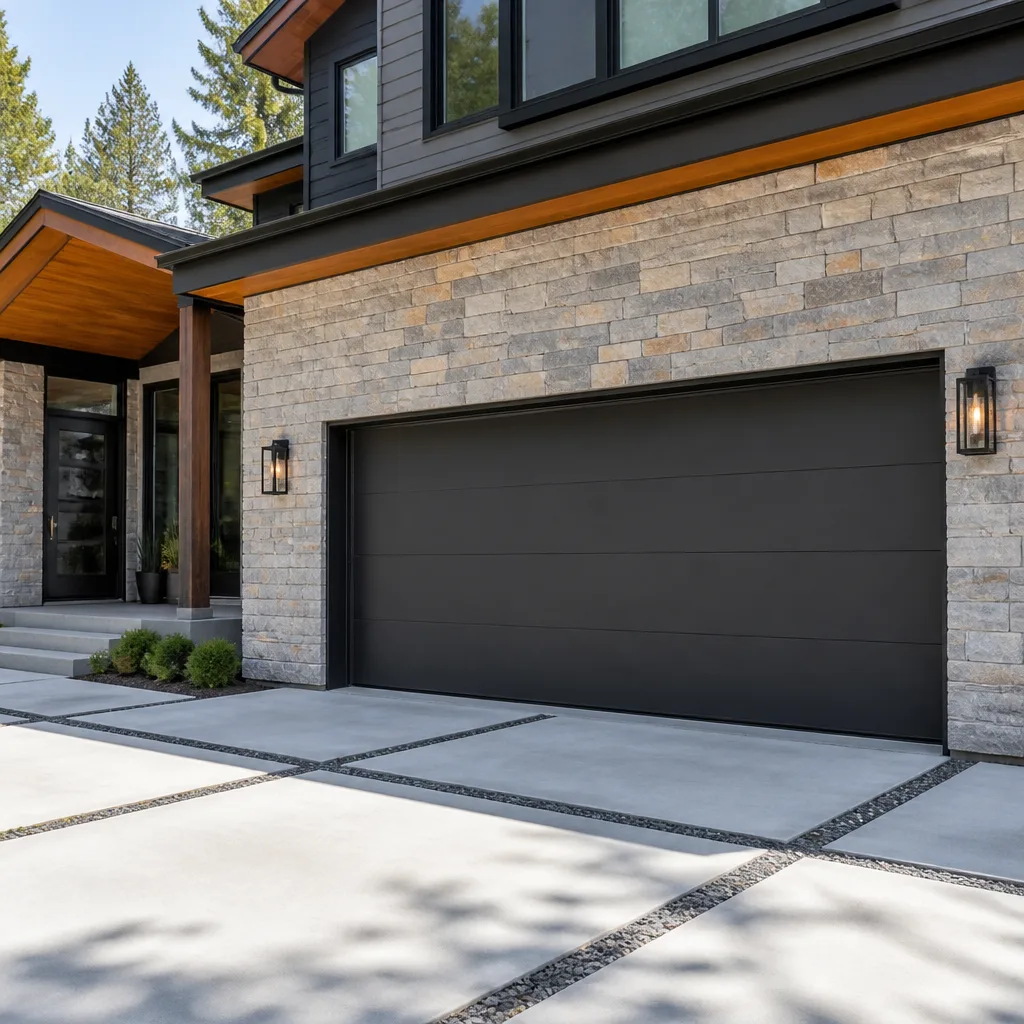 Modern flush
 Full-view glass
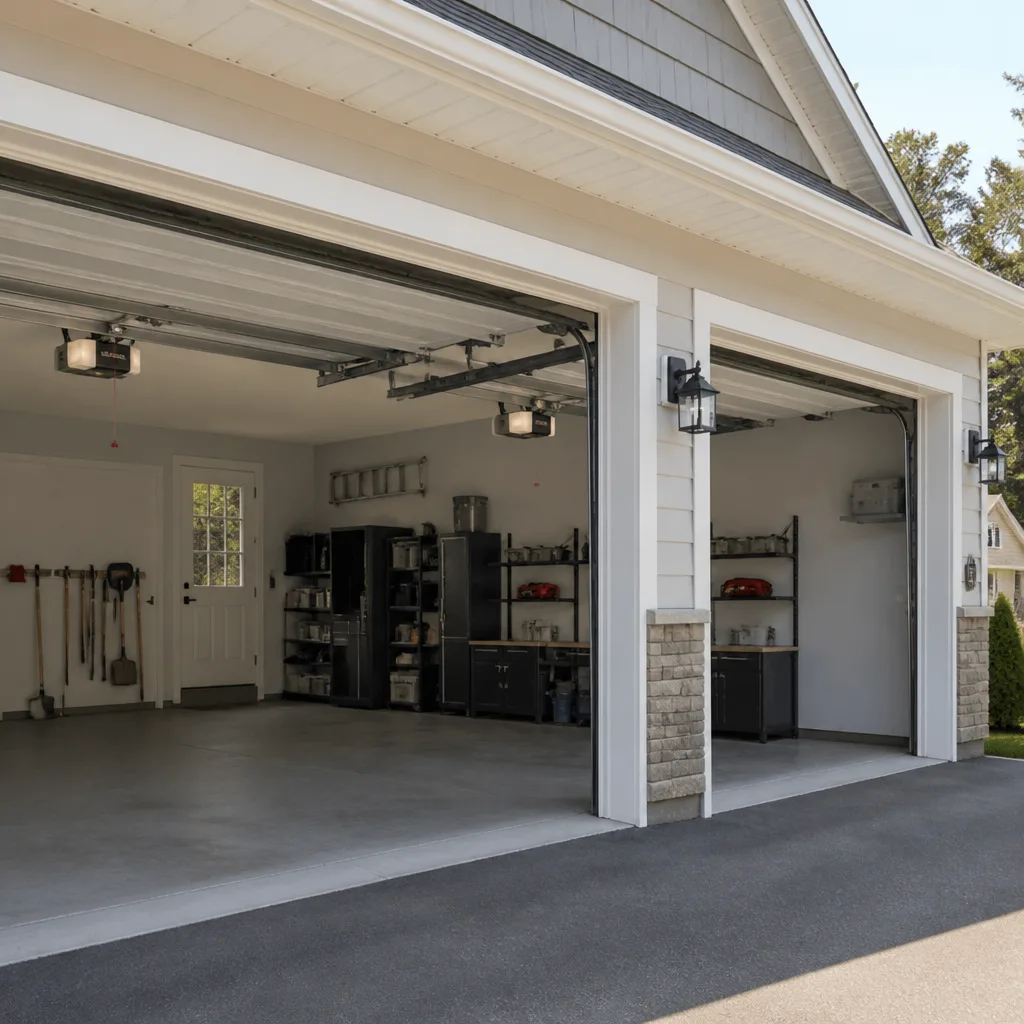 LiftMaster openers
 Chamberlain openers
Full 25-point door and opener safety check with every visit - springs, cables, rollers, tracks, and your LiftMaster or Chamberlain opener included
You get a price before we start. It does not change when the pro arrives.
Get your free estimateGarage Door Repair Troubleshooting in Mentor: Common Problems and How to Fix Them
Here’s what most homeowners get wrong about a garage door that won’t open: they assume the worst. In our experience, the majority of “the door is dead” calls trace back to one of six mechanical categories, and only two of them are genuinely dangerous to touch. The rest you can identify yourself in under a minute with nothing more than your ears, your eyes, and a flashlight.
This guide gives you a decision tree, not a panic spiral. You’ll learn to sort any garage door problem into opener, spring, track, cable, sensor, or panel, what each category sounds and looks like, which fixes belong to a technician, and how to relay accurate information before anyone arrives. We’ll keep it specific to how doors actually behave in Mentor homes and neighborhoods.
Quick Answer
Most garage door failures in Mentor fall into six categories: opener, spring, track, cable, safety sensor, or panel damage. You can identify which category you’re dealing with in about 60 seconds by watching and listening to the door. Any problem involving a broken spring or a snapped cable requires you to stop using the door entirely and call a professional, while stuck sensors, misaligned tracks, and opener codes are the routine fixes a technician handles quickly.
Styles & brands we work with
- Raised-panel steel
- Carriage house
- Modern flush
- Full-view glass
- LiftMaster openers
- Chamberlain openers
Table of Contents
- The Six-Category Diagnosis Framework
- Safe to Investigate vs. Hands Off
- Spring Problems: The Category That Stops You Cold
- Opener Problems and Error Codes
- Track and Cable Problems
- Safety Sensors and Reversing Faults
- Noisy Doors: Three Different Causes, Three Different Fixes
- Printable Pre-Call Checklist
- What Repairs Typically Cost in Mentor
- Common Mistakes to Avoid
- When to Call a Professional
- Frequently Asked Questions
The Six-Category Diagnosis Framework
Before you call anyone, run this test. Stand inside your garage, press the wall button, and watch the door for the first three seconds. That window tells you almost everything, because the way a door fails is more distinctive than the way it works. A door that hums but doesn’t move is telling you something different than a door that moves an inch and drops, and different again from one that reverses the moment it touches something.
Here’s how the six categories break down and what each one looks like:
- Opener. You hear the motor run, or a click, or a single beep and nothing else. The door may move a little and stop. The carriage may disconnect. Lights may flash on the motor housing. The door itself feels balanced and light when you try the manual release.
- Spring. The opener runs, or tries to, and the door barely lifts or doesn’t lift at all. There’s often a loud bang you remember hearing at some point, and a visible gap in the torsion spring above the door or a stretched extension spring along the track. The door is very heavy to lift by hand, if you can lift it at all.
- Track. The door binds, scrapes, or rubs on one side. It might go up crooked or leave a gap at one corner. You can often see a bent section of track, a dent, or a roller that’s popped out of the channel.
- Cable. The door hangs at an angle, one side higher than the other. There may be a loose or tangled steel cable visible on one side, or a cable hanging slack near the bottom corner. This is a stop-touching category.
- Safety sensor. The door opens fine but won’t close, or closes partway and reverses. The LED lights on the small sensor units near the floor are off, blinking, or misaligned. Nothing is wrong with the door mechanically; it’s the safety circuit.
- Panel. The door operates normally but looks damaged. Dents, cracks, a bent bottom section, or a panel that’s separated at a hinge. This is cosmetic and structural, not a mechanical failure, unless the damage has thrown the door out of alignment.
Sorting your problem into one of these six boxes is the single most useful thing you can do before calling. It changes a vague “my door is broken” into “the opener runs but the door won’t lift and it’s heavy by hand,” which lets us bring the right parts and the right technician on the first visit. That’s the difference between one appointment and three.
Safe to Investigate vs. Hands Off
Two of these six categories are safe for a homeowner to poke at. Four are not, and two of those four can injure you seriously if you ignore the warning. Knowing which is which protects both your afternoon and your fingers.
Safe to investigate yourself:
- Safety sensors. Look at the two small sensor units mounted near the floor on each side of the door. Each has an LED. If one is off or blinking amber while the other is solid, you’ve found your problem. Clear obstructions, wipe the lenses, and check that they’re aimed at each other. This is a homeowner-level check.
- Opener codes and lights. Count the flashes on the motor housing or read the code on the wall control or app. Look up what that code means for your brand. A LiftMaster or Chamberlain unit that flashes a set number of times is telling you exactly which circuit to check, which is useful information to pass along even when the repair itself is a technician job.
- Obstruction checks. Look for anything leaning against the door, something caught in the track, or an object sitting in the sensor beam path. Simple, visual, and often the whole answer.
Stop touching the door entirely if you see:
- A broken torsion spring. That’s the coiled spring on the shaft above the door. If there’s a clean gap in the winding, it’s broken. Torsion springs are under extreme tension even when the door is down. Never try to wind, unwind, or remove one. Call a professional.
- A snapped or slack cable. Cables are under load and can whip. Do not cut, untangle, or tug on one.
- The door hanging crooked on one side, which usually means a cable has failed.
- Any door that will not lift by hand after you’ve pulled the manual release. If it’s that heavy, the spring system has failed and the door needs professional attention before it does more damage or falls.
One caution about the manual release: it’s designed for emergencies and it’s fine to use when the power is out, but on a door with a broken spring, pulling it and then letting the door come down under its own weight is a genuine hazard. When in doubt, leave the door where it is.
Spring Problems: The Category That Stops You Cold
Springs are the heart of the whole system. A garage door is heavy, and the springs are what make it feel light enough to lift with one hand. There are two types in Mentor homes: torsion springs, which sit on a shaft above the door, and extension springs, which run along the horizontal tracks on each side. Both do the same job, and both fail the same way, by breaking.
The classic signs of a spring failure are a loud bang from the garage, a door that suddenly won’t lift, and a visible gap in the spring itself. Extension springs on older doors may also snap and dangle. If you see any of that, the door should stay down until a technician arrives. This is the most safety-critical repair in the trade, and it’s the one we treat as its own discipline rather than an afterthought.
Two things homeowners often don’t realize:
- Springs are usually replaced in matched pairs. If one torsion spring broke, the other has lived the same number of cycles and is likely close behind. Replacing one and leaving the other is a common false economy. A pair usually costs about twice the single-spring price because it’s two springs, not because there’s a surcharge.
- The cycle count matters more than the calendar. A door used ten times a day wears its springs far faster than one used twice. That’s why two neighbors on the same street with the same door can have very different spring lifespans.
For a full explanation of how spring repair works, what the parts do, and which spring type you likely have, see our garage door spring repair page. If you’re hearing the bang and the door won’t move, stop pressing the button and call us. We handle spring repair as a standalone service because it’s the repair most often botched by generalists.
Opener Problems and Error Codes
The opener is the part you interact with most and the part most likely to throw a code at you. Understanding what your motor is saying saves a lot of guesswork. Modern units from LiftMaster and Chamberlain flash their lights in a pattern to report a fault, while older Genie and Craftsman systems often beep or simply refuse to move without much explanation. Your opener’s manual or the manufacturer’s app is the fastest reference for a specific code.
A few common patterns and what they usually indicate:
- Motor runs, door doesn’t move, or moves an inch and stops. This can be the opener or the spring. If the door is heavy by hand, suspect the spring. If it’s light and balanced, suspect the opener’s gear, limit switch, or carriage.
- One beep or a click, no movement. Often a logic board or safety circuit issue. Check the sensor lights first, because a blocked sensor will make the opener refuse to close.
- Runs in one direction only. Usually a limit switch adjustment problem, common on older Craftsman and Genie models.
- Random operation, opens on its own. This can be a stuck wall button, a frequency interference issue, or a failing logic board. It’s worth a look, because a door that opens itself is a door that’s also unlocked.
Brand quirks do matter here. LiftMaster and Chamberlain share a lot of internal design, so the diagnostic path for one usually applies to the other. Legacy Craftsman models from the pre-smart era often need different steps than a current connected unit, and if you’ve added a smart-home hub to a Genie or LiftMaster opener, the fix may be in the app pairing rather than the hardware. We work on all of these, which means we don’t need to guess. For the full picture across brands, see our garage door opener repair page.
Track and Cable Problems
Track and cable issues are the two categories most likely to disguise themselves as each other. Both make the door travel crooked or bind. The difference is where the fault sits and how dangerous it is to touch.
Track problems look like this: the door scrapes or grinds as it moves, goes up and stops short, or leaves a visible gap at one corner. You might see a dent in the vertical or horizontal track, a bent curve, or a roller that’s slipped out of the channel. Tracks can be bent by a car nudge, a hard impact, or simply by a door that’s been out of alignment for a while. A bent track is usually a technician fix, but it’s not immediately dangerous, and the door can often wait.
Cable problems are different. The steel cables lift and control the door on each side, and when one fails, the door hangs crooked. Signs include:
- A door that’s clearly higher on one side than the other
- A cable hanging slack or tangled near the bottom corner
- Loud scraping on one side because the door is binding in the track
- The door dropping unevenly or refusing to close flush
If you see a snapped or slack cable, stop. Do not try to reattach it, tighten it, or operate the door. Cables are under load and can cause serious injury. A cable failure also throws the door out of balance, which puts additional stress on the opener and the track. The right move is to leave the door alone and call a professional. We treat a cable failure the same as a spring failure: it’s an emergency category, and we handle it accordingly.
Safety Sensors and Reversing Faults
Safety sensor faults are the most common “the door won’t close” problem, and one of the easiest to diagnose. The two sensor units sit near the floor on each side of the opening, and they shoot an invisible beam across the doorway. If the beam is broken, misaligned, or the sensors have no power, the door will open normally and refuse to close. That’s the safety circuit doing its job, not a broken door.
Run this check in order:
- Look at the LED on each sensor. Most have a light that’s solid when aligned and blinking or off when there’s a fault. If one is solid and the other is blinking or dark, you’ve found the problem.
- Check for obstructions in the beam path. A leaf, a kid’s toy, a recycling bin, even a cobweb can break the beam. Clear it and test.
- Wipe both lenses with a dry cloth. Dust and grime on the sensor window will break the beam.
- Check that neither sensor has been bumped or knocked loose. They should be aimed straight at each other. Even a small nudge can misalign the pair.
- If the sensors look aligned and clear but the door still reverses, check the wiring at the sensor and at the opener head. A loose wire is a common culprit.
If your sensors are clean, aligned, and still failing, the problem is likely in the wiring or the opener’s logic board, which is a technician fix. One quick safety note: never bypass or disable the sensors to force a door closed. They exist to stop the door on a person or object, and a disabled sensor turns a convenience feature into a real hazard.
Noisy Doors: Three Different Causes, Three Different Fixes
A noisy garage door is one of the most common complaints we hear in Mentor, and one of the most misdiagnosed. People assume “noisy” means “needs lubricant,” but in our experience there are three separate causes that sound different and need three different fixes. Getting the category right saves you from oiling a problem that isn’t oil.
- Lubrication issue. A dry, squeaky, high-pitched noise, usually at the hinges, rollers, or spring. This responds to a proper garage door lubricant on the moving metal parts. It’s the least expensive fix and the one most homeowners try first. If the noise goes away and stays away for a while, you had a lubrication issue.
- Worn roller bearings. A grinding, rumbling, or “gravel” sound that follows the door as it moves. Ball-bearing rollers wear out over time, and a worn bearing can’t be oiled back to health. This needs the roller replaced, and if the door has been noisy for a long time, the bearings have been dry and grinding. The fix is a roller replacement, which is a routine technician job.
- Alignment problem. A scraping, rubbing, or banging sound on one side, often accompanied by the door binding or leaving a gap. This is the track and cable category showing up as noise. Lubricant won’t fix it, and ignoring it will wear out the rollers and the door faster.
How to tell them apart: listen to when the noise happens. If it’s a high squeak at the start and stop of travel, it’s likely lubrication. If it’s a continuous grind while the door moves, it’s likely a worn roller. If it’s one-sided and the door looks crooked, it’s alignment. Our technicians have up to 9 years of experience and can pin down which of the three you have on the first visit, but you can usually narrow it down yourself before calling.
Printable Pre-Call Checklist
The best thing you can do before you call is gather the right information. A technician who knows your door type, your symptoms, and your brand before arriving can bring the right parts. Here’s the checklist we’d love every caller to have in hand. Print it, or just jot the answers down before dialing.
- What happens when you press the button? Nothing, a click, a hum, a beep, or the door moves partway. Write down exactly what you hear and see.
- Can you lift the door by hand? Pull the manual release (if it’s safe to) and try. Light and smooth, heavy and hard, or stuck. Don’t force it if it’s heavy.
- Does the door travel evenly? Watch both sides as it moves. Even, crooked, binding, or stopped short.
- What’s the brand and model of your opener? It’s usually on the motor housing or the wall control. LiftMaster, Chamberlain, Genie, Craftsman, Raynor, and others each have their own quirks.
- What kind of springs do you have? A torsion spring above the door on a shaft, or extension springs running along the side tracks. Note if you see a gap or break.
- Are the sensor lights on? Solid, blinking, or off, for each sensor.
- What’s the door material? Steel, aluminum, wood, or a composite. Clopay, Amarr, and other makers use different panel designs, and the material affects repair options.
- Any recent event? A car nudge, a hard wind, a power outage, a new opener install, or a cold snap. The timing often points to the cause.
Relay those answers when you call, and the diagnosis starts before anyone leaves for the job. That’s the whole point of the checklist: it turns a vague problem into a specific one.
What Repairs Typically Cost in Mentor
Homeowners want a range before they commit, and that’s fair. The numbers below are typical estimates for the Mentor market, not a quote. The written estimate you receive after a look at the door sets the final price, and it’s quoted and agreed before any work starts. No surprises on the invoice.
- Safety sensor adjustment or realignment: typically the lowest-cost repair, often a small service-call-range job.
- Opener repair or logic board replacement: varies by brand and part; common repairs fall in the mid range.
- Roller replacement (full set): a routine repair, priced per set.
- Track realignment or replacement: priced per section or per track assembly.
- Cable replacement: a pair is standard, since cables wear together.
- Spring replacement: priced per spring. A matched pair is usually replaced together and costs about twice the single-spring estimate.
Two things drive the estimate more than anything else: the brand and model of your equipment (some parts for legacy Craftsman or older Genie units cost more and take longer to source), and whether the failure is isolated or has damaged other components. A cable that snapped and bent a track is two repairs. Getting an honest diagnosis up front is what keeps the final number close to the estimate. Our garage door repair page covers the service side in more detail, and if you want a firm number, call (833) 923-2167. Estimates are free.
Common Mistakes to Avoid
- Forcing a door that’s stuck. If the door won’t move, holding the button down or pushing it by hand puts stress on the opener, the spring, and the track. A stuck door usually has a mechanical cause, and forcing it turns one repair into three. Stop and diagnose instead.
- Trying to repair a torsion spring yourself. This is the mistake with the worst consequences. Torsion springs are under extreme tension even when the door is closed, and a DIY attempt can cause serious injury. This is a professional-only repair, full stop, and no guide or video makes it safe.
- Oiling everything when the noise starts. Lubrication fixes a squeaky hinge but does nothing for a worn roller bearing or a misaligned track. Over-oiling a dry bearing can even attract grit. Match the fix to the cause before reaching for the can.
- Disabling the safety sensors to get the door to close. It seems like a quick fix, but it removes the one thing that stops the door on a person, pet, or object. Diagnose the sensor instead of bypassing it.
- Replacing an opener when the door is the problem. A heavy door that won’t lift is usually a spring problem, not an opener problem. Buying a new opener won’t help and wastes money. Check the springs first.
- Hiring a generalist handyman for a spring or cable job. Garage doors are a specialty. The parts, the tools, and the safety procedures for spring and cable work are specific to this trade. A handyman who’s never wound a torsion spring is the wrong call, even if they’re available.
- Waiting on a cable failure. A snapped cable means the door is out of balance and can drop or fall. Waiting risks damage to the door and injury to anyone nearby. Treat it as urgent.
When to Call a Professional
Some problems you can sort out yourself. The ones that need a professional are the ones where a wrong move is dangerous or a wrong part wastes money. Call if the door won’t lift by hand, if you see a broken spring or a snapped cable, if the door hangs crooked, or if the opener runs but the door won’t follow and you’ve already ruled out the sensors. Also call if the door opens on its own, if a panel is damaged enough to affect the structure, or if you’re simply not sure which category you’re in.
We answer 24/7. Fast dispatch from 7am to 7pm, Sunday through Friday, and we’re closed Saturday. Same-day service is available for most repairs when you call before the day fills. Mentor Garage Door Repair Pros offers free estimates in Mentor, and we work on LiftMaster, Chamberlain, Genie, Clopay, Amarr, Wayne Dalton, Craftsman, and Raynor systems, so we can meet your door where it is rather than pushing a product. Call (833) 923-2167 for a free estimate.
Frequently Asked Questions
Try to lift the door by hand with the manual release pulled. If it’s heavy and hard to lift, it’s almost certainly a spring problem, not an opener problem. If the door is light and balanced but the opener still won’t move it, the opener is the likely culprit. Call (833) 923-2167 for a free estimate if you’re unsure.
No. A broken torsion or extension spring should only be replaced by a trained technician. Springs are under extreme tension and a DIY attempt can cause serious injury. This is the one repair we recommend never trying yourself.
Nine times out of ten it’s the safety sensors. Check the LED lights on both sensor units near the floor: if one is blinking or off, the beam is broken or misaligned. Clear the path, wipe the lenses, and check the alignment. If the sensors are clear and still failing, it’s a wiring or logic board issue, which is a technician repair. Call (833) 923-2167 for a free estimate.
It depends on the repair, but the range runs from a small fixed amount for a sensor adjustment to several hundred dollars for a spring, cable, or track repair. A single spring replacement is priced per spring, and a matched pair typically costs about double a single. The written estimate you receive sets the final price, quoted and agreed before any work starts. Call (833) 923-2167 for an exact quote; estimates are free.
Listen for the type of noise. A high squeak that happens at the start and stop of travel is usually a lubrication issue. A continuous grinding or rumbling sound while the door moves usually points to worn roller bearings, which need replacement, not oil. If the noise is one-sided and the door moves unevenly, it’s an alignment problem. A technician can confirm which in a few minutes. Call (833) 923-2167 for a free estimate.
For most repairs, we can offer same-day service when you call before the day fills. We answer 24/7, with fast dispatch from 7am to 7pm, Sunday through Friday. If a call comes in outside dispatch hours, it’s booked into the next opening. Call (833) 923-2167.
The Bottom Line
Garage door problems almost always fall into one of six categories: opener, spring, track, cable, sensor, or panel. Two of those, springs and cables, are the ones that require you to stop touching the door and call a professional. The other four you can often identify yourself in about a minute with a flashlight and a glance at the sensor lights. The goal of this guide is to get you from a panic spiral to a specific diagnosis, because a specific diagnosis means the right technician, the right parts, and a repair that holds.
For Mentor homeowners, the practical takeaway is simple: run the checklist, match the symptom to the category, and call when the category is spring, cable, or anything you can’t pin down. For the full range of what we handle, start at Mentor Garage Door Repair Pros. Call (833) 923-2167 for a free estimate.
Written by the team at Mentor Garage Door Repair Pros.
See the difference
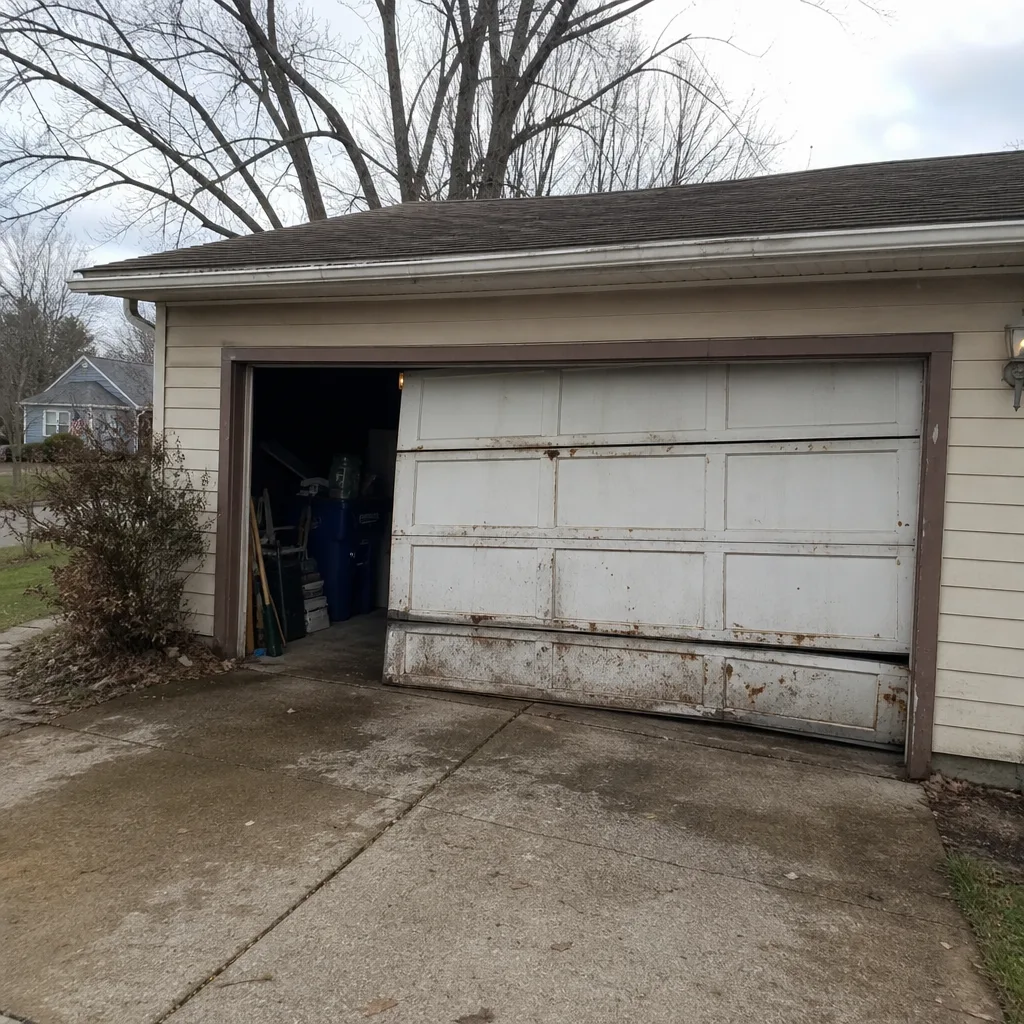 Before
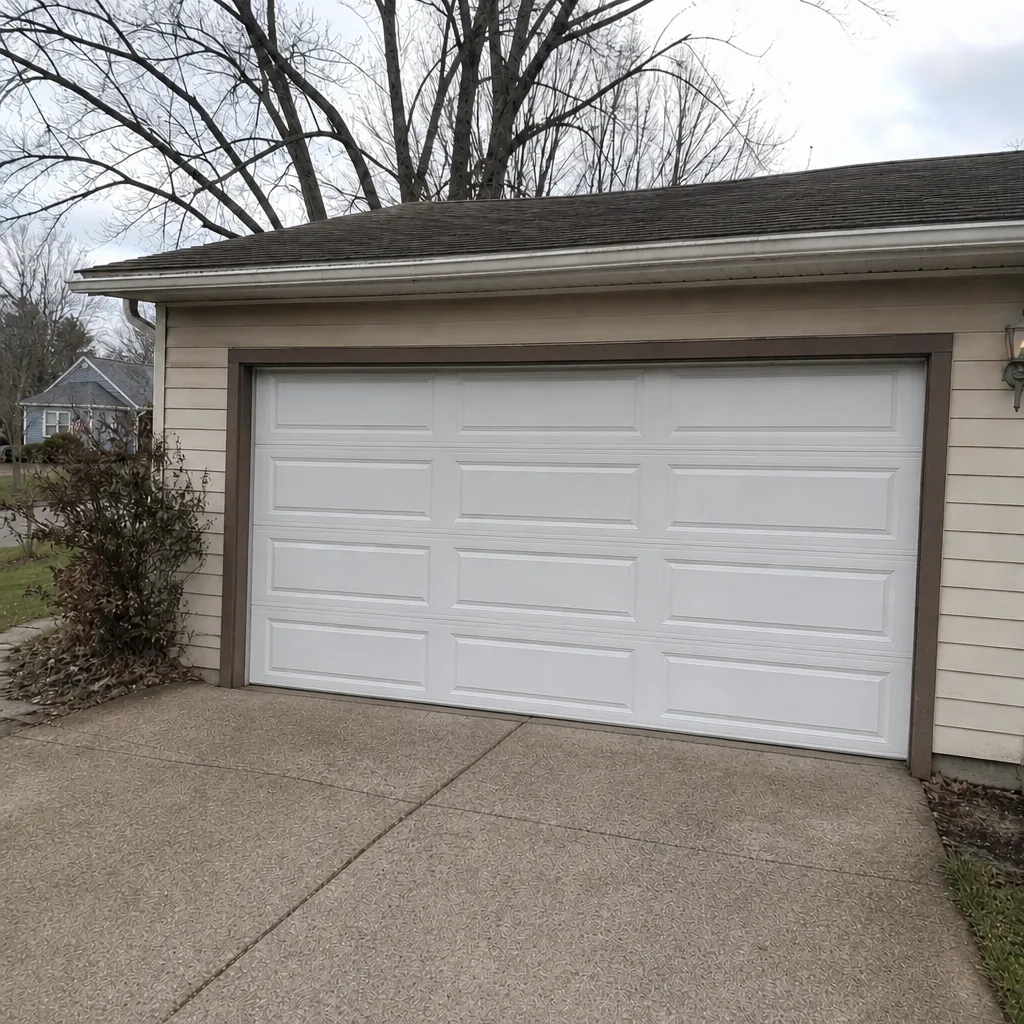 After
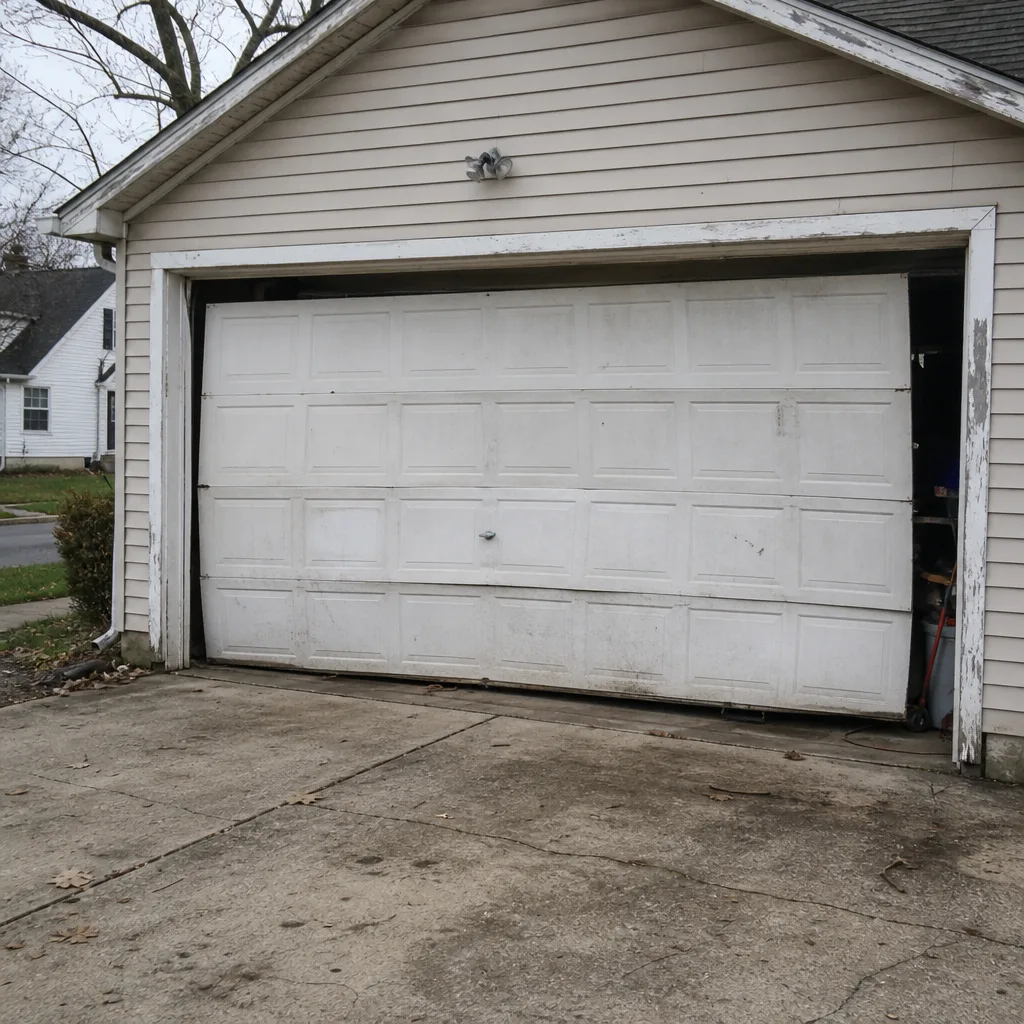 Before
 After
 Before
 After