
Last updated November 22, 2026
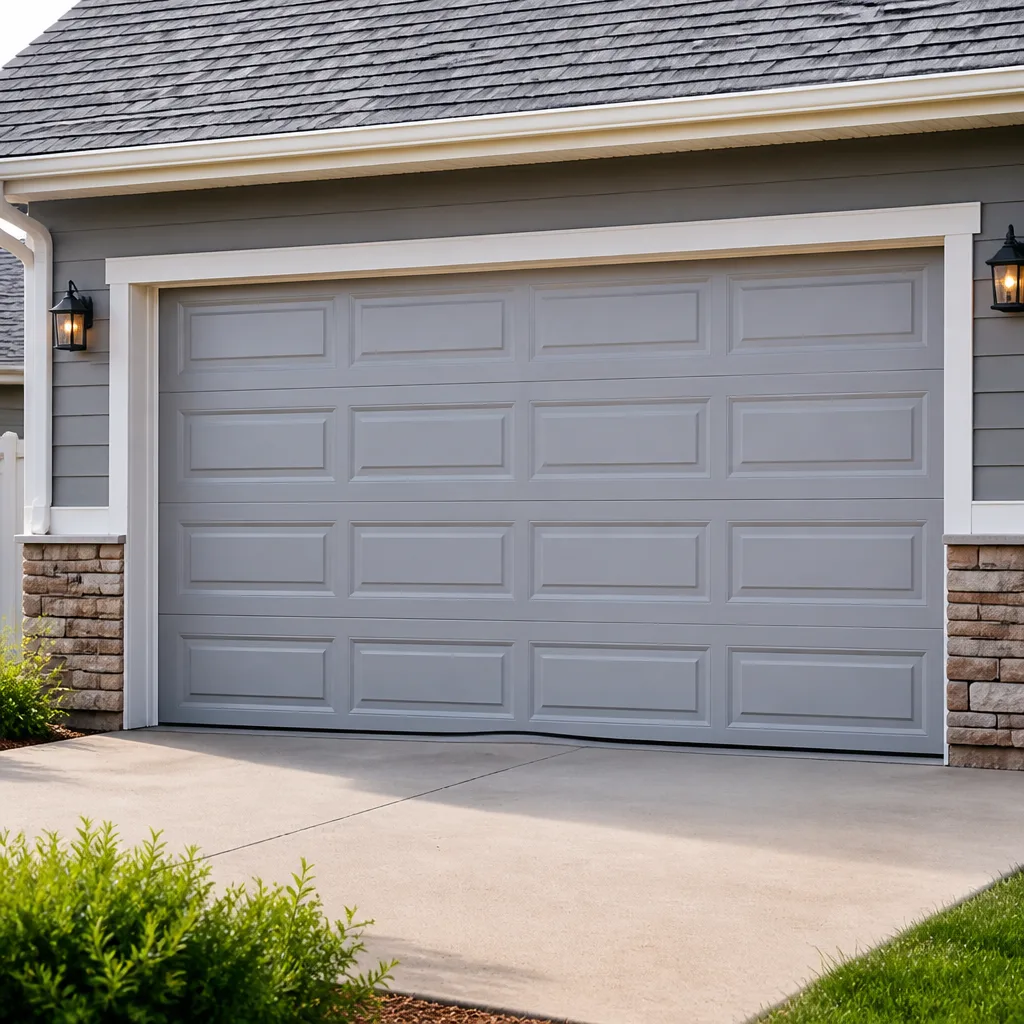 Raised-panel steel
 Carriage house
 Modern flush
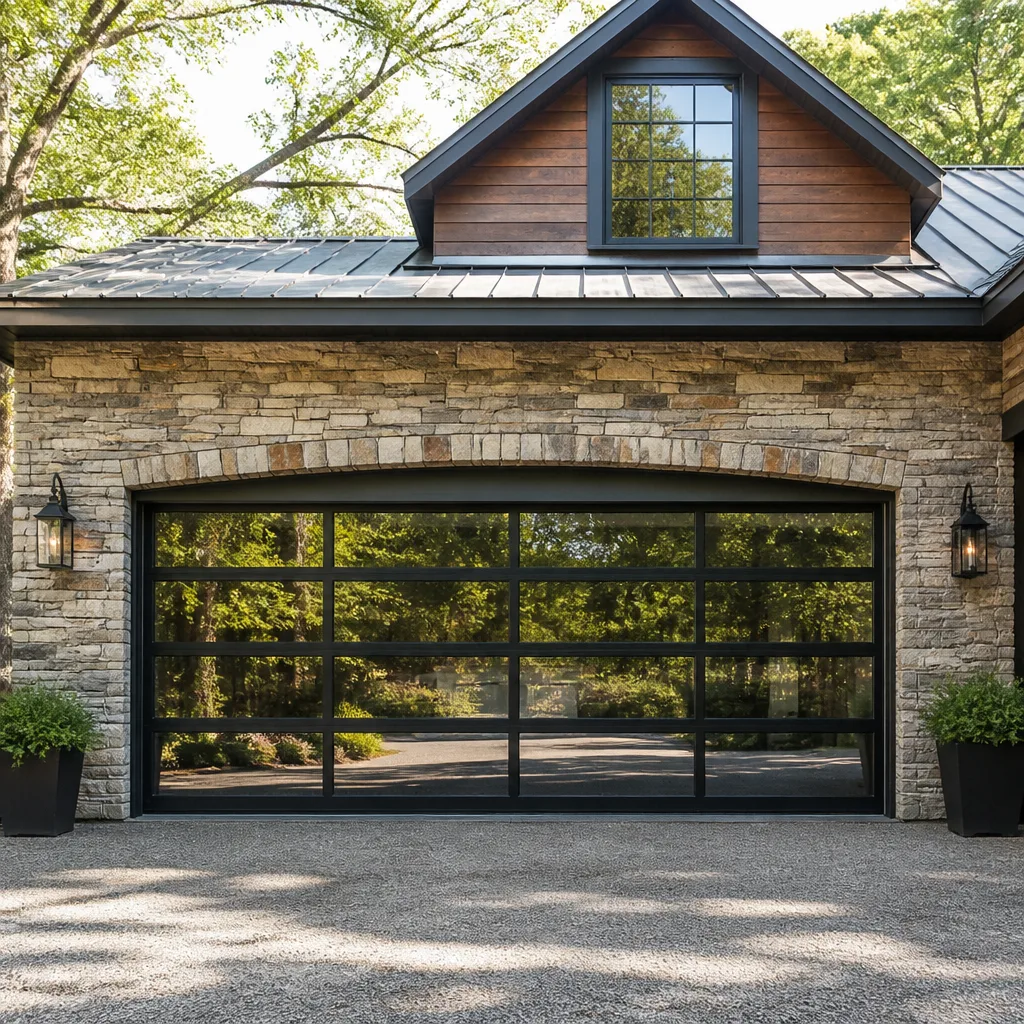 Full-view glass
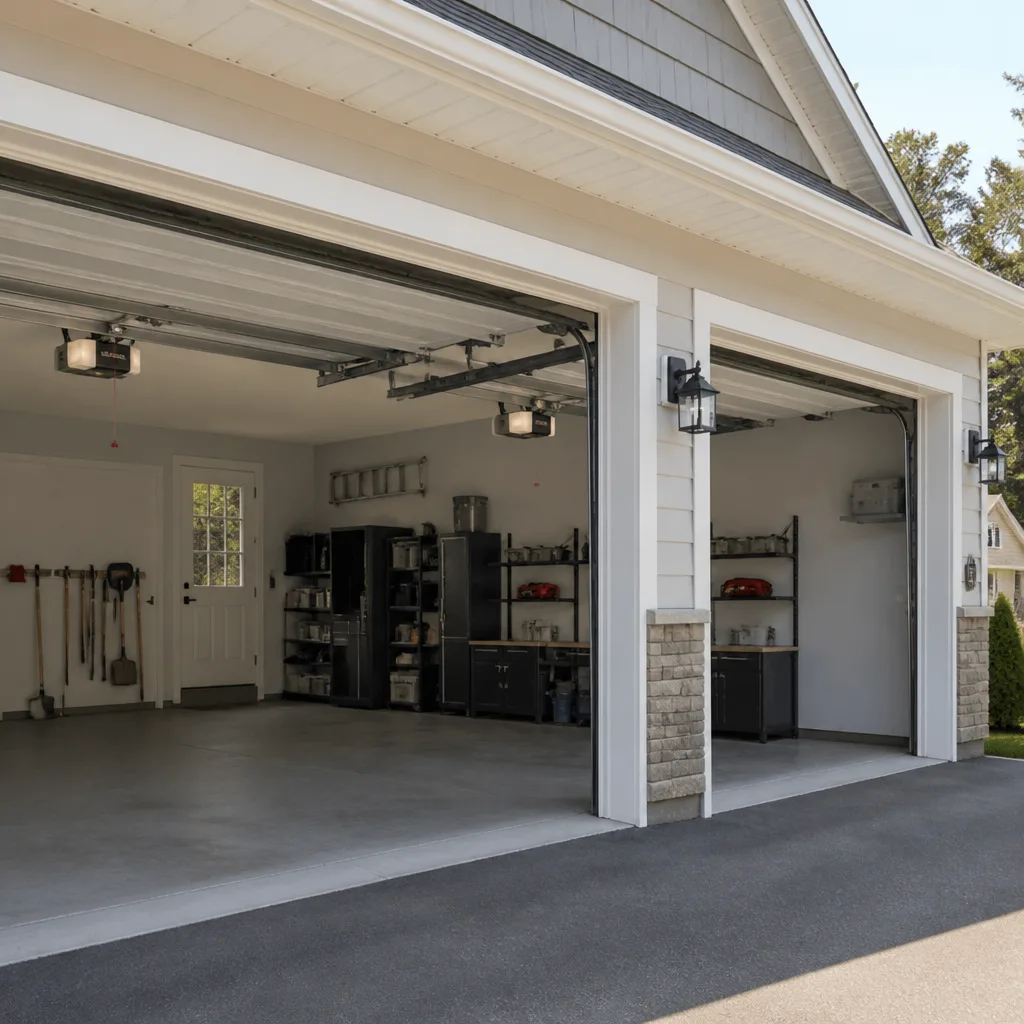 LiftMaster openers
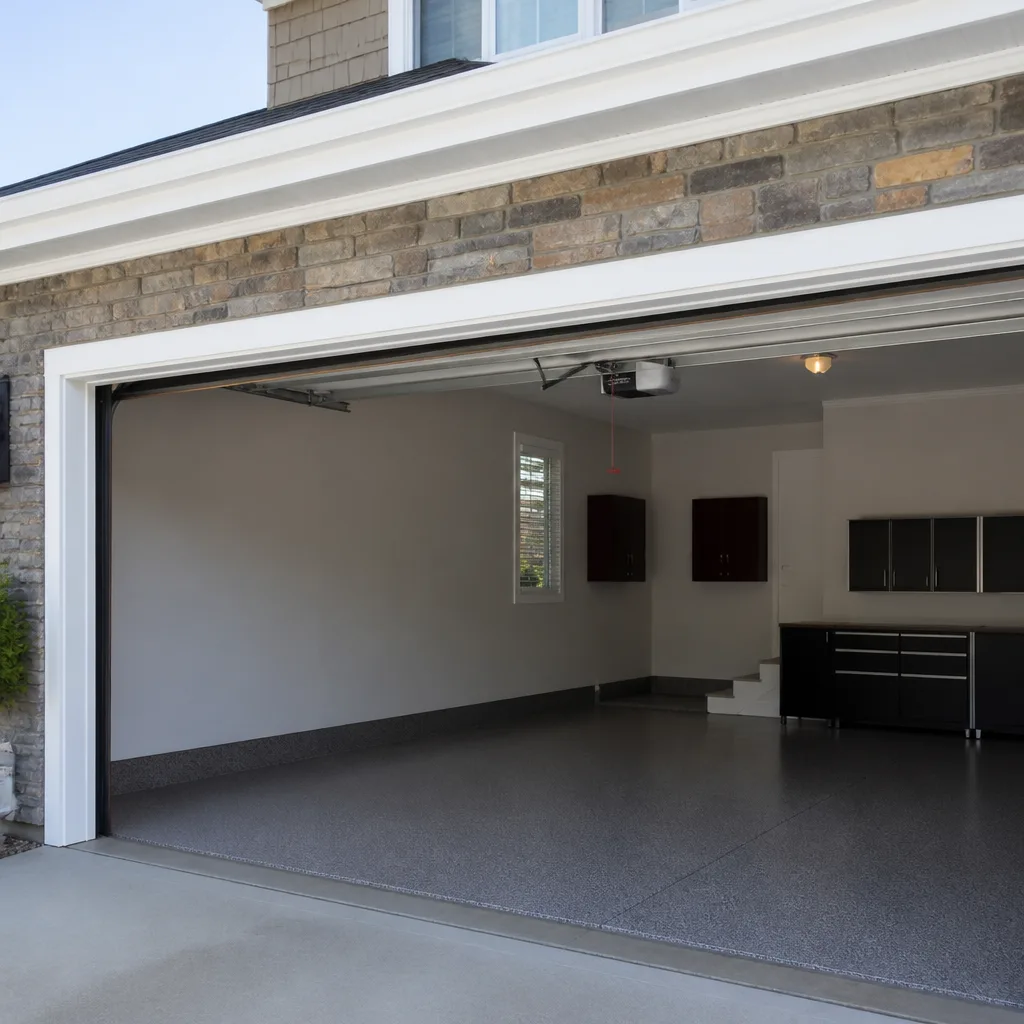 Chamberlain openers
Full 25-point door and opener safety check with every visit - springs, cables, rollers, tracks, and your LiftMaster or Chamberlain opener included
You get a price before we start. It does not change when the pro arrives.
Get your free estimateGarage Door Repair Maintenance Checklist for Mentor Homeowners
The number one reason garage door springs fail early in Northeast Ohio isn’t age. It’s under-lubrication during winter, when most homeowners assume the door just needs a minute to warm up. That assumption is expensive. A dry torsion spring grinds metal against metal every time the door cycles, and by February it’s working twice as hard to lift the same door. A one-year-old Clopay and a twenty-year-old Wayne Dalton don’t need the same checklist, so this guide organizes maintenance by door age and spring type. You’ll learn what to check, what to leave alone, and which lubricants actually survive a Mentor winter.
Quick Answer
A garage door maintenance checklist for Mentor homeowners should be matched to the age and mechanism of the door: doors under 5 years old need lubrication every fall, a balance test, and a safety-reverse check; doors 10 to 15 years old need roller inspection, hinge wear checks, and closer attention to spring fatigue; doors 20-plus years old need annual professional inspection of cables, drums, and tracks. On top of that, torsion spring systems and extension spring systems have different inspection points, and neither tolerates a dry winter.
Styles & brands we work with
- Raised-panel steel
- Carriage house
- Modern flush
- Full-view glass
- LiftMaster openers
- Chamberlain openers
Table of Contents
- Why Mentor Winters Are Hard on Garage Doors
- Checklist for Doors Under 5 Years Old
- Checklist for Doors 10 to 15 Years Old
- Checklist for Doors 20-Plus Years Old
- Torsion vs. Extension Springs: Different Checks
- The Right (and Wrong) Lubricants for Northeast Ohio Winters
- Testing Balance, Travel Limits, and Auto-Reverse
- Red Flags That Mean Stop and Call
Why Mentor Winters Are Hard on Garage Doors
Mentor sits close enough to Lake Erie that the weather swings hard. A door that ran smooth in October is doing very different work in January, when temperatures drop into the teens and the metal contracts, the lubricant thickens, and the spring has to fight cold stiff rollers and a heavier track. That’s why a door feels sluggish on a cold morning and why “it just needs a minute to warm up” is a bad diagnosis. If it’s sluggish, something is binding or drying out, and the door is telling you before the spring snaps.
The lake-effect snow belt adds its own pressure. Snow and ice pile against the bottom seal, water freezes in the track, and the opener forces the door through resistance it was never designed to overcome. Plastic and nylon rollers get brittle in the cold. Steel hinges and bearings lose the film of grease that protects them. A door that gets 8 to 12 cycles a day in a busy household is racking up a lot of dry movement by March.
The good news: the damage is gradual and mostly preventable with two lubrication passes a year and a real inspection each fall, before the first hard freeze. In our experience, most spring failures we see in Mentor have a season or two of warning that went unnoticed, not a sudden break out of nowhere.
Checklist for Doors Under 5 Years Old
A newer door is often ignored because it still looks and sounds fine, and that’s exactly when the lubrication habit should start. Whether your door is a Clopay or an Amarr, the moving parts on a young door don’t need repair yet, they need protection before the first winter dries them out. Do these checks each fall:
- Lubricate the moving metal. Springs, hinges, rollers, and the bearing plates get a proper garage door lubricant, not a spray of household oil. This is the single highest-value task on a young door.
- Run the balance test. Disconnect the opener, lift the door halfway, and let go. A healthy door holds roughly where you leave it. A door that drops or climbs is out of balance and worth a professional look.
- Test the auto-reverse. Put a roll of paper towels under the closing door and confirm it reverses on contact. This is a safety check, not an optional one.
- Check the weather seal and bottom seal. In a Mentor winter, a worn bottom seal lets cold air and meltwater into the garage and freezes your track shut.
- Look at the rollers. Steel rollers on a young door are usually fine; nylon rollers should still be round and firm, not flattened on one side.
- Check the opener’s travel limits. The door should close fully without the opener straining. If it stops short or reverses before touching down, the limits need a small adjustment.
None of this asks you to touch a spring or a cable. On a young door, the work is lubrication and observation, and it’s what keeps the door from becoming a repair job later.
Checklist for Doors 10 to 15 Years Old
This is the age range where deferred maintenance starts to surface. A door built around a decade or more ago is still mechanically sound in most cases, but the wear parts have worn: rollers have flat spots, hinges have loosened, and the torsion spring may be getting close to the end of its rated cycle life depending on how often the door runs. For a Mentor household using the garage as the main entrance, that cycle count climbs fast.
Add these items on top of the young-door checklist:
- Inspect the hinges. Loose hinges let the door sag and force the opener to compensate. Tighten where you can, and replace any hinge that’s cracked or bent.
- Replace worn rollers. Rollers with flat spots or chipped nylon make a loud grind and wear the track. This is a routine swap, and it changes how the door feels.
- Check the torsion or extension spring for fatigue, not breakage. Fatigue shows up as a door that’s suddenly heavier or slower, not a snapped spring. If the door feels heavier than it did last year, get the springs looked at before they fail.
- Inspect the cable windings. Cables should be tight and even on the drums. Frayed or slack cables are a stop-and-call item we cover below.
- Test the opener’s force setting. As the door gets heavier, an older opener may be working harder than it should. If it strains, that’s a sign of a balance problem, not a reason to turn up the force.
- Check the bottom seal and the track alignment. In Northeast Ohio winters, a seal that’s cracked will let ice form against the door, and a track that’s out of line will fight the door every cycle.
Doors in this age band are where garage door repair starts to make more sense than replacement. A tune-up and a set of wear-part replacements usually buys several more years.
Checklist for Doors 20-Plus Years Old
A twenty-plus-year-old door, whether it’s a Wayne Dalton still doing its job or a Craftsman opener that’s outlived its warranty several times over, deserves a real professional inspection each year, not just a homeowner pass. The mechanism itself isn’t the problem; it’s that every wear component has reached or passed its expected service life, and they tend to fail together.
What a yearly inspection on an older door should cover:
- Full spring assessment. Cycle life on older torsion springs is often used up. A professional can measure coil condition and balance before a break strands the door.
- Cable, drum, and bearing inspection. These are the parts that fail silently on old doors, and they’re the parts that cause the most serious injuries. They are not a homeowner task.
- Track and panel check. Bent tracks, rusted hinges, and cracked bottom panels show up on older doors, especially after Northeast Ohio freeze-thaw cycles.
- Opener load check. An older opener paired with an aging door is doing more work than its rated capacity. Listen for strain, and have the opener and the door evaluated together.
- Lubrication reset. Old doors need proper lubrication just as much as new ones, more so if they’ve been dry for years.
- Honest repair-or-replace call. At this age, an experienced technician will often tell you whether a tune-up will hold or whether it’s time to plan for a new door. Spring, opener, panel, or full door, a multi-brand specialist can handle all of it.
If your door is in this range, it’s worth knowing our technicians have up to 9 years of experience across the major brands, so we can read an older system accurately rather than guessing.
Torsion vs. Extension Springs: Different Checks
Garage doors use one of two spring systems, and a maintenance checklist that treats them the same is only half right. Torsion springs sit horizontally above the door on a shaft. Extension springs run along the overhead tracks on either side. They fail differently, they wear differently, and they get inspected differently.
Torsion spring systems
- Check the torsion shaft, drums, and bearing plates for lubrication and movement.
- Look at the drum and cable guidance on each side: the cables should stay in their grooves when the door cycles.
- Note the door’s balance. A torsion spring that’s lost tension makes the door feel heavy from the start of the lift.
- Listen for a bang or a clunk at the top of the cycle: the spring is right there and the sound is meaningful.
Extension spring systems
- Check the safety cables that should run through the center of each extension spring. If those are missing or slack, that’s a call-now item.
- Inspect the spring ends for deformation and the pulleys for wear.
- Look at the spring color-coding and stretch: extension springs under consistent tension wear at the ends first.
garage door spring repair is the one part of this list where the risk of a DIY error is real. Both systems store enough force to cause serious injury, which is why even an experienced technician treats spring inspection as a separate, careful job. If your springs are due, that’s the time to call a professional rather than work it out yourself.
The Right (and Wrong) Lubricants for Northeast Ohio Winters
The single most common mistake we see in Mentor is a homeowner reaching for WD-40 or a can of general-purpose oil, assuming that anything slick will help. It won’t. WD-40 is a penetrating solvent and light carrier oil, not a lubricant designed to stay put on metal under load. It displaces moisture and then evaporates, taking the protection with it. On a torsion spring in January, that leaves the coils dry, and dry coils grind and wear faster. The same is true of silicone sprays applied to bearing surfaces, which do not build the film a loaded spring needs.
What to use:
- A purpose-made garage door lubricant. These are formulated to stay viscous in cold weather and to penetrate rollers and hinges without attracting grit. Use it on springs, hinges, rollers, and bearing plates.
- White lithium grease for hinge pins and pivot points, applied sparingly. In cold weather, use a cold-rated lithium rather than a heavy general grease that stiffens below freezing.
- Stay away from WD-40, cooking oil, general household spray oils, and anything with a solvent base. They attract dust, wear off, and in the cold they don’t do the job.
Apply lubricant in the fall and again in the spring. Two light passes a year is what keeps a door working in a Mentor winter. It’s also the cheapest thing you can do to extend the life of a torsion spring before a cold snap turns a dry spring into a broken one.
Testing Balance, Travel Limits, and Auto-Reverse
These three tests are safe for a homeowner and catch most problems before they become repairs. Do them once a year, and always on a day when the door isn’t needed for a quick exit.
The balance test
- Close the door and pull the opener’s release cord to disconnect it.
- Lift the door by hand to roughly halfway.
- Let go. A balanced door will hold or drift very slightly. A door that falls is a sign of lost spring tension or a balance problem; a door that rises on its own is over-tensioned.
- Reconnect carefully. If the door won’t sit level, have it looked at.
Travel limits
An opener’s travel limits tell it where the door opens and closes. Watch as the door closes: it should meet the floor without straining or reversing early, and the opener should stop cleanly. If the door stops short or slams, the limits need adjusting. Adjustment itself is a small job, but a door that won’t stay down or keeps reversing despite an adjustment points to a balance or sensor problem worth a professional check.
Auto-reverse (contact and non-contact)
- Put a roll of paper towels or a firm box under the closing door and close it. The door should reverse on contact and go back up.
- With the door closing, pass your leg through the light beam at the bottom of the door. The door should reverse. If it doesn’t, the safety eyes need cleaning, realigning, or replacing.
- If either test fails with only a minor symptom, stop using the door until it’s fixed.
None of these tests requires touching a spring, cable, or drum, so there’s no risk of voiding an opener warranty through the test itself. What matters is that if a test fails, you don’t force the door to work through it.
Red Flags That Mean Stop and Call
Some things look minor and aren’t. If you see any of the following, stop using the door and have it inspected before anything else:
- Frayed or slack cables. A cable under tension that’s been damaged can snap. Do not touch it or try to re-seat it.
- Cracked or grooved cable drums. A drum with a worn groove lets the cable jump, and the failure can be violent.
- Bent tracks that look small. A track bend of a quarter inch can force the door off its rollers. Force it once and the damage gets worse.
- Broken torsion spring or separated extension spring. The door is now unsupported. Do not operate it by hand and do not attempt to wind or replace a spring yourself.
- Door that travels unevenly or comes off one roller. This is a mechanical fault, not a stuck track. Stop and call.
- Opener that strains or a door that reverses for no reason. Often a symptom of a balance problem that can be fixed before it damages the opener.
What ties these together is that the risk on a garage door lives in the stored energy of the springs, cables, and drums. Everything else can wait; these can’t.
Common Mistakes to Avoid
- Assuming the door “just needs a minute” in cold weather. Sluggish operation in a Mentor January is usually dry springs or stiff rollers. Treat it as a lubrication signal, not a cold-morning quirk.
- Using WD-40 on springs and hinges. It’s a solvent, not a lubricant, and it wears off fast. It’s the most common reason springs fail early here.
- Never lubricating at all. A door that’s run dry since installation is quietly wearing its springs and rollers to failure.
- Turning up the opener’s force to overcome a heavy door. If the door is heavy, the problem is balance, not the opener. Raising the force just hides the problem and stresses the mechanism.
- Trying to adjust a torsion spring or cable yourself. These are loaded, dangerous parts. A professional can look at them safely, and a homeowner cannot.
- Skipping the balance test because the door “works.” Working isn’t the same as balanced. A door that opens and closes but drops in the middle is on its way to a spring failure.
- Treating all lubricants the same. Cold-rated garage door lubricant is not the same as general household oil in a Northeast Ohio winter.
See the difference
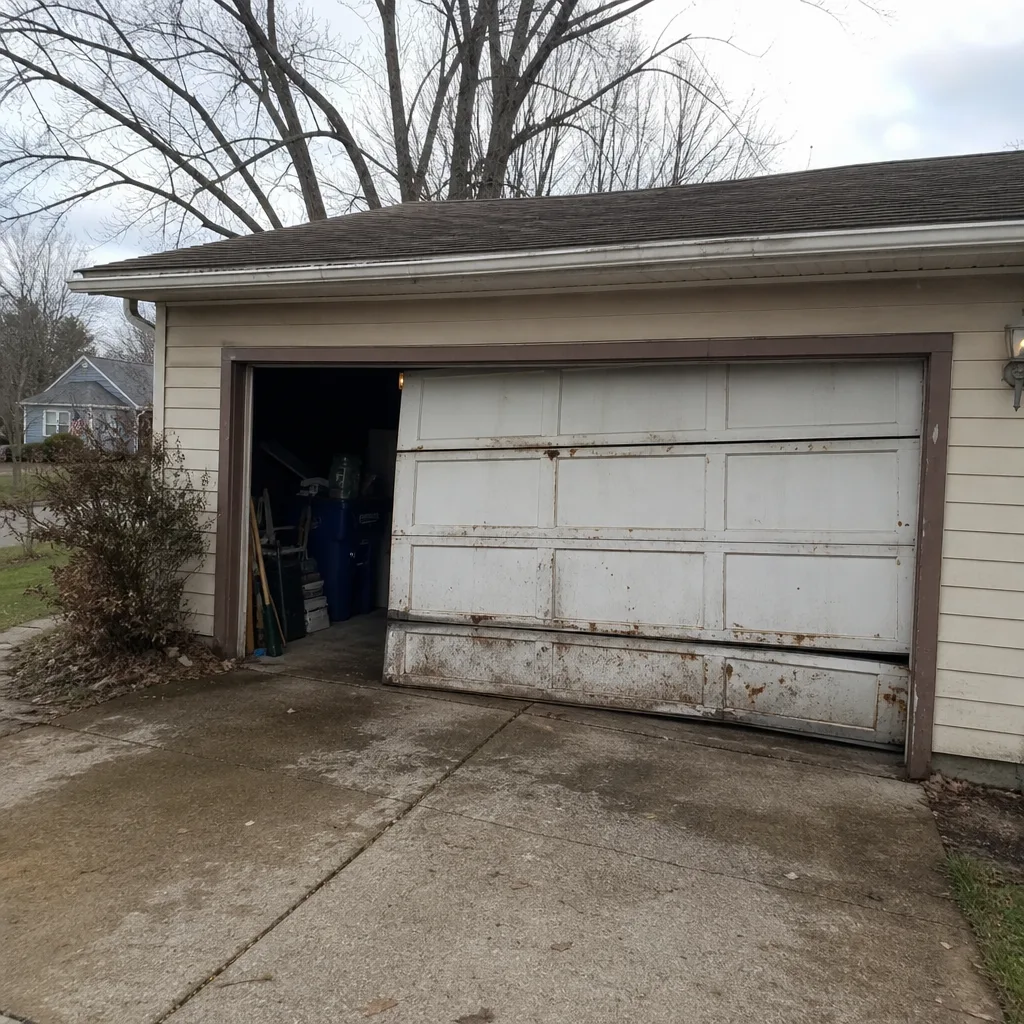 Before
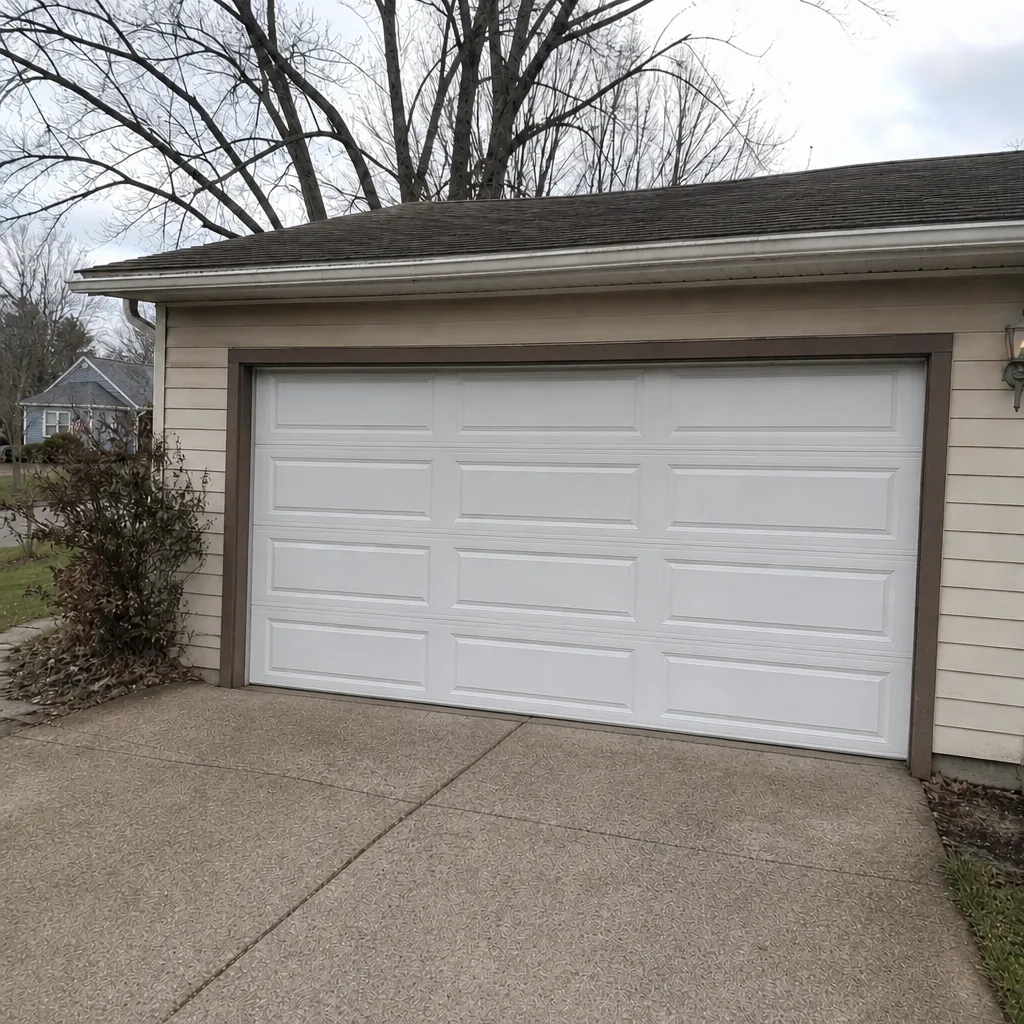 After
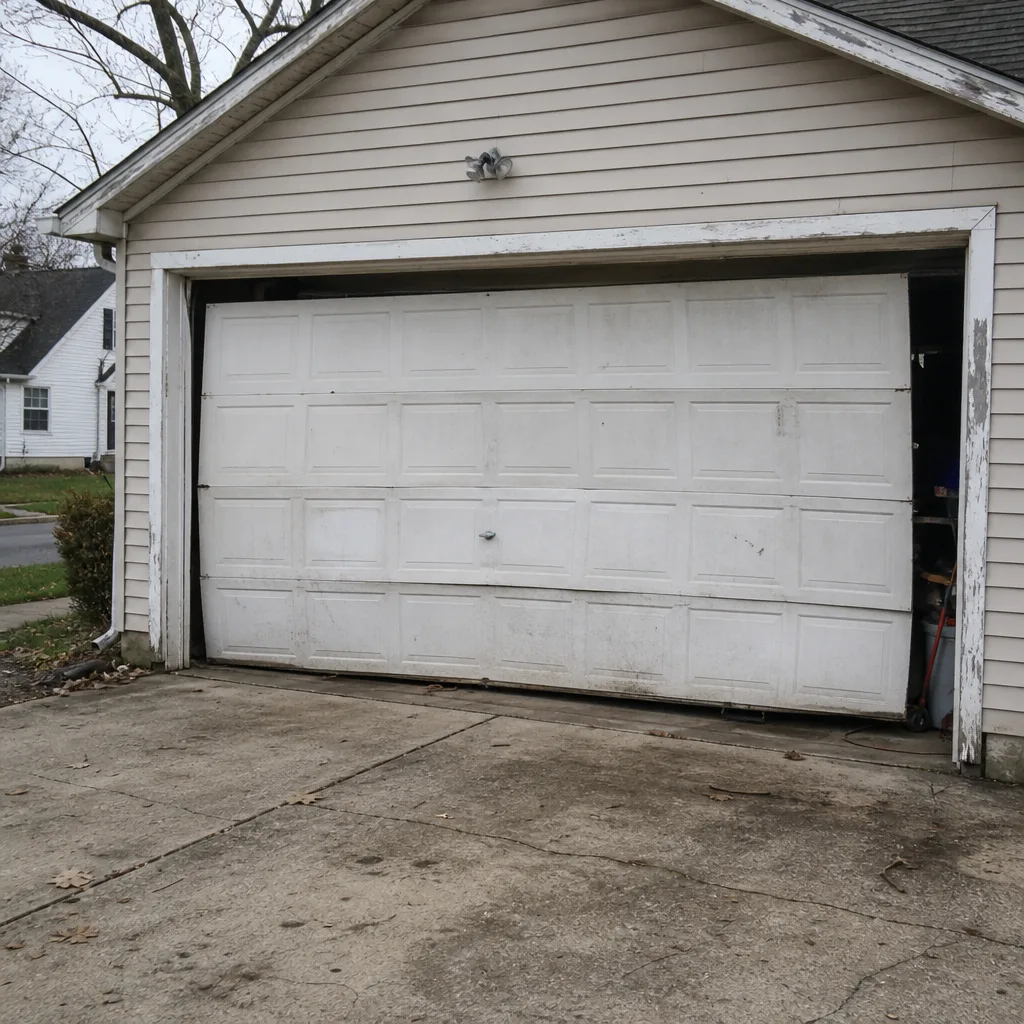 Before
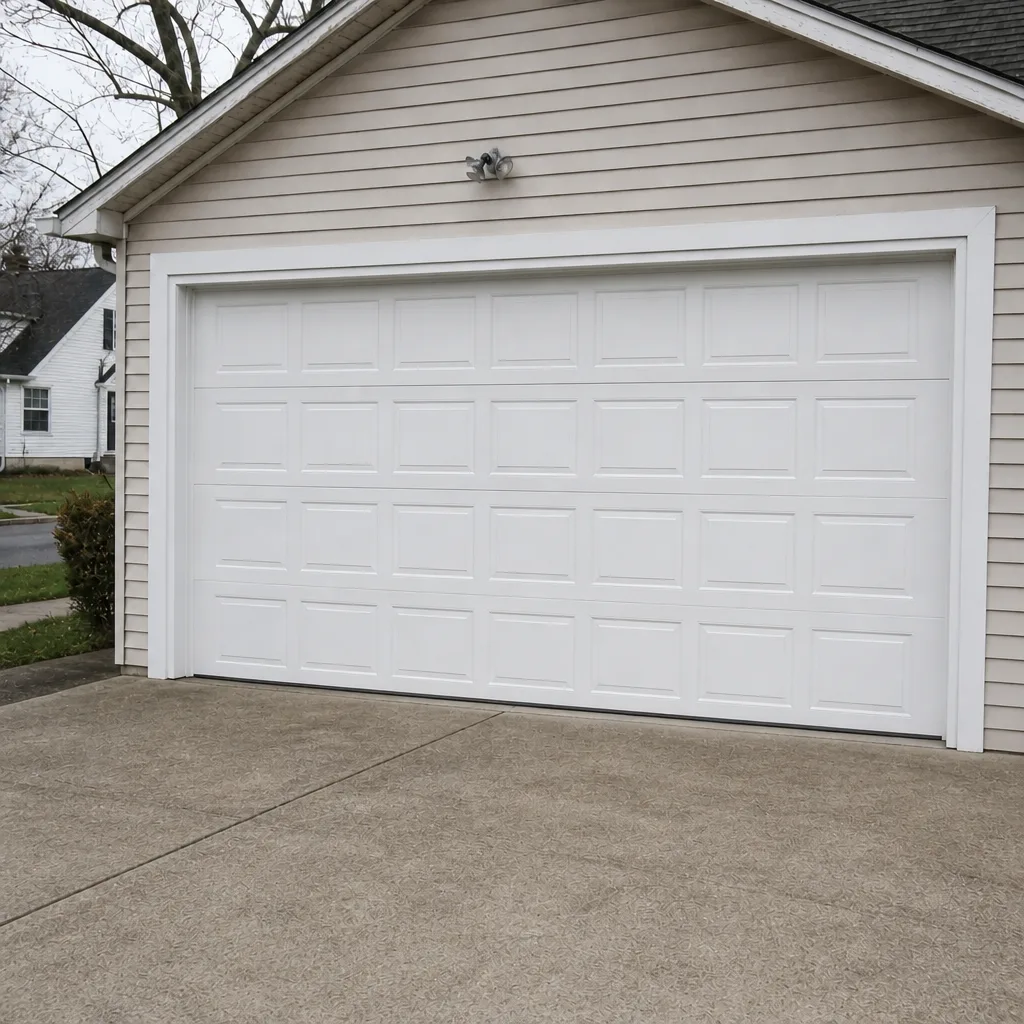 After
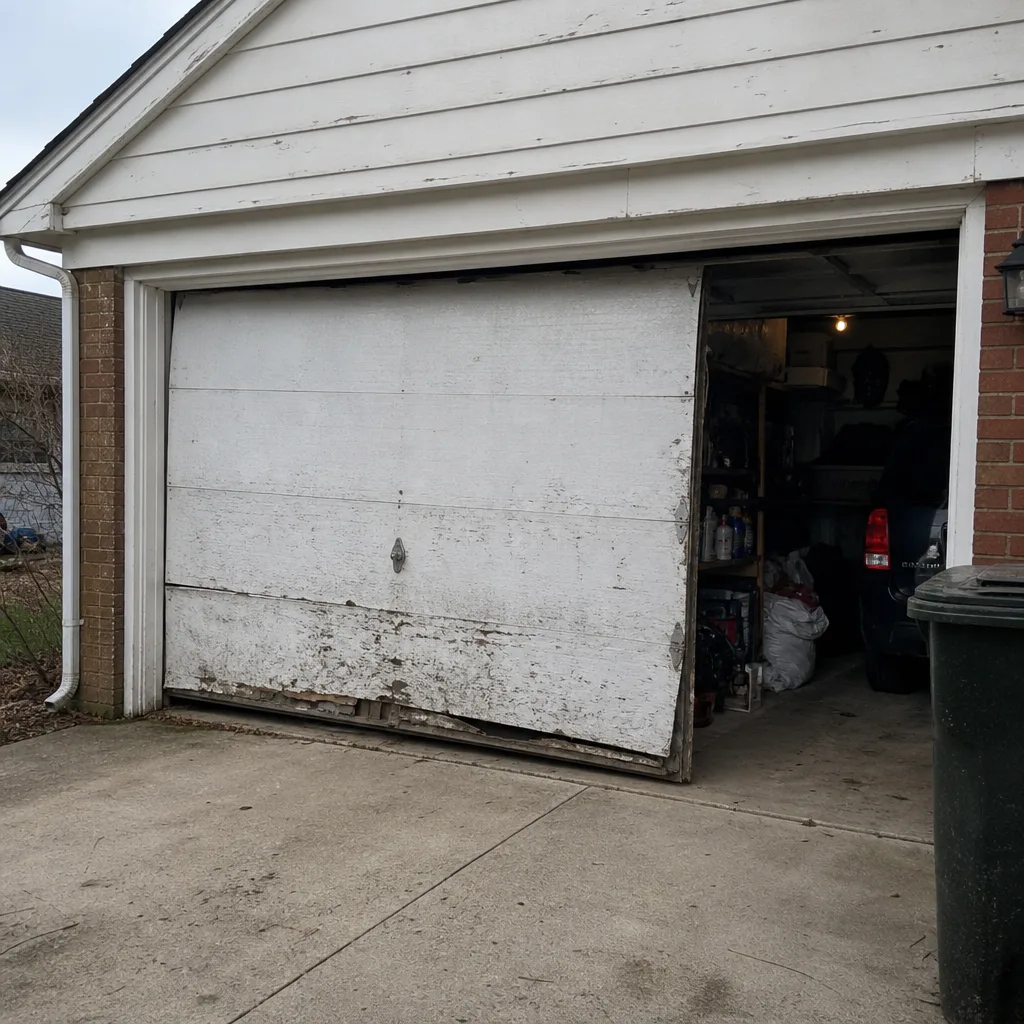 Before
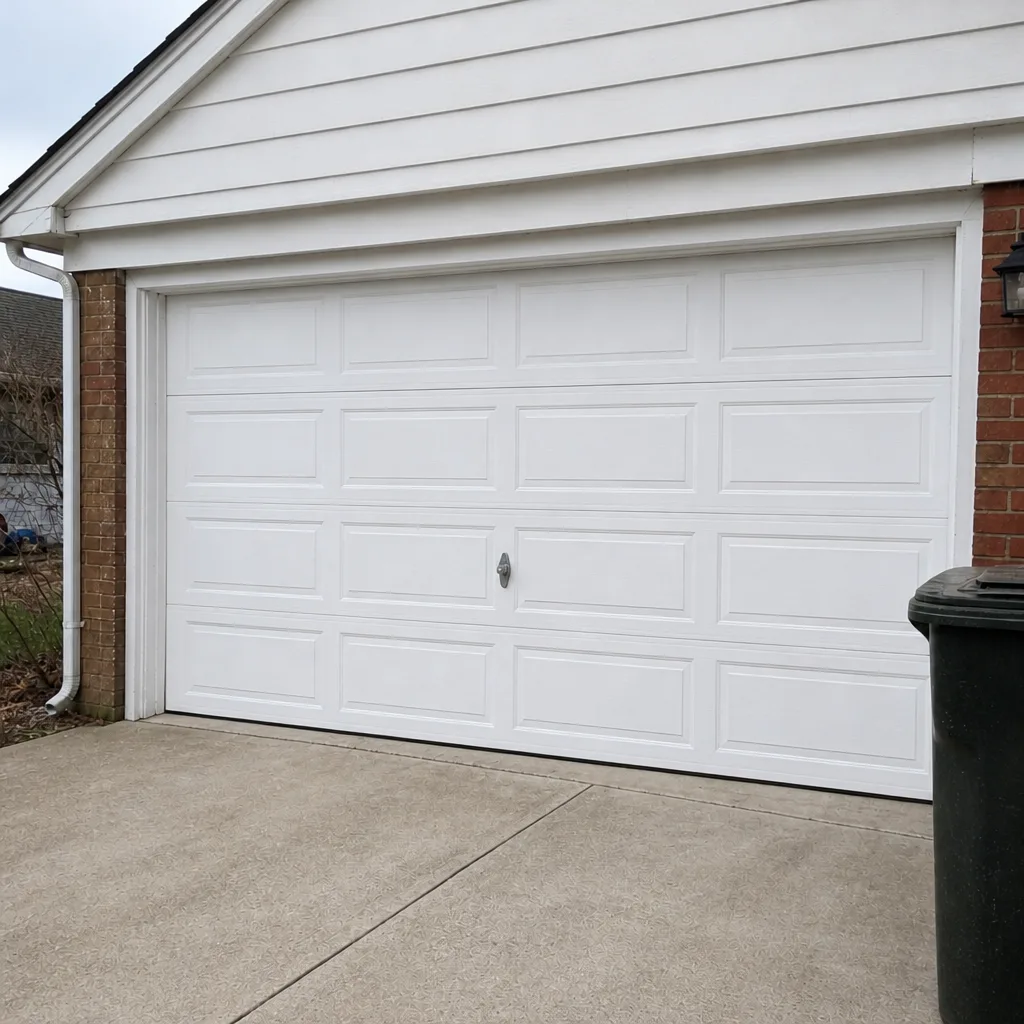 After
When to Call a Professional
Call a professional for any spring, cable, drum, or track work, and for any door you can’t safely balance or that keeps failing the auto-reverse test. On a young door, a professional tune-up is a small job that pays off in a longer spring life. On a heavier or full-size door, a broken spring is a stop-and-call situation. If the door won’t move at all, that’s an emergency repair, and the security of an open garage door matters too. Mentor Garage Door Repair Pros works on LiftMaster, Chamberlain, Genie, Clopay, Amarr, Wayne Dalton, Craftsman, and Raynor equipment, so we can read your specific system. Our technicians have up to 9 years of experience, and the local pro arrives state-licensed and insured. We answer 24/7, with fast dispatch from 7am to 7pm, Sunday through Friday. Call (833) 923-2167. The estimate is free, and the price is quoted in writing and agreed before any work starts.
Frequently Asked Questions
Twice a year: once in the fall before the cold sets in and once in the spring. A Northeast Ohio winter dries out metal parts faster than most people expect, and two passes with a proper garage door lubricant keep the springs, hinges, and rollers working. Call (833) 923-2167 for a free exact quote if the door feels heavy or sluggish.
No. A torsion or extension spring stores enough force to cause serious injury, and both systems need proper tooling and careful adjustment. This is the one item on the checklist that is not a DIY task for a homeowner. Have a professional handle it.
It’s common but not normal. A heavy door in a Mentor winter usually means one of three things: dry springs, stiff rollers, or a balance problem. None of those fix themselves with warmer weather. In fact, running the door through a dry cold season is what wears springs faster. Get it looked at before spring.
No. Testing the auto-reverse with a box or your leg is a normal safety check that a homeowner can do at any time. What can cause trouble is forcing the door through failed tests or adjusting internal opener settings, so leave the force and limit adjustments to a technician if the door doesn’t behave.
Age and symptom together tell the story. A door in the 10 to 15-year range that’s mechanically sound usually gets more life from a tune-up and wear-part replacement. A door past 20 years with multiple failing components may be at the point where a full garage door repair decision matters. An on-site evaluation makes that call honestly, and if it’s beyond saving, a full installation is the next step rather than a second company.
On torsion systems, check the drum and cable alignment, the bearing plates, and the door’s balance. On extension systems, check the safety cables running through the springs, the pulleys, and the spring ends for deformation. Both need lubrication twice a year. If you’re not sure which system you have, we can tell you.
The Bottom Line
Garage door maintenance in Mentor isn’t a generic 10-step list; it’s a set of tasks matched to the door in front of you. A young door needs lubrication and safety checks, a 10 to 15-year-old door needs roller, hinge, and spring-fatigue inspection, and a 20-plus-year-old door needs a professional pass on the parts that fail silently. Torsion and extension systems ask for different checks, and none of them should happen with WD-40 in hand. The goal is simple: spot the wear before the cold snap does. When in doubt, get an expert eyes on the loaded parts.
Contact
If your checklist turns up a frayed cable, a bent track, or a door that’s stopped working, call (833) 923-2167 for a free estimate. Mentor Garage Door Repair Pros provides residential garage door repair, Mentor Garage Door Repair Pros spring service, garage door opener repair, and full installation, plus emergency service when the door won’t move. We answer 24/7. Fast dispatch from 7am to 7pm.
Written by the team at Mentor Garage Door Repair Pros.