
Last updated November 22, 2026
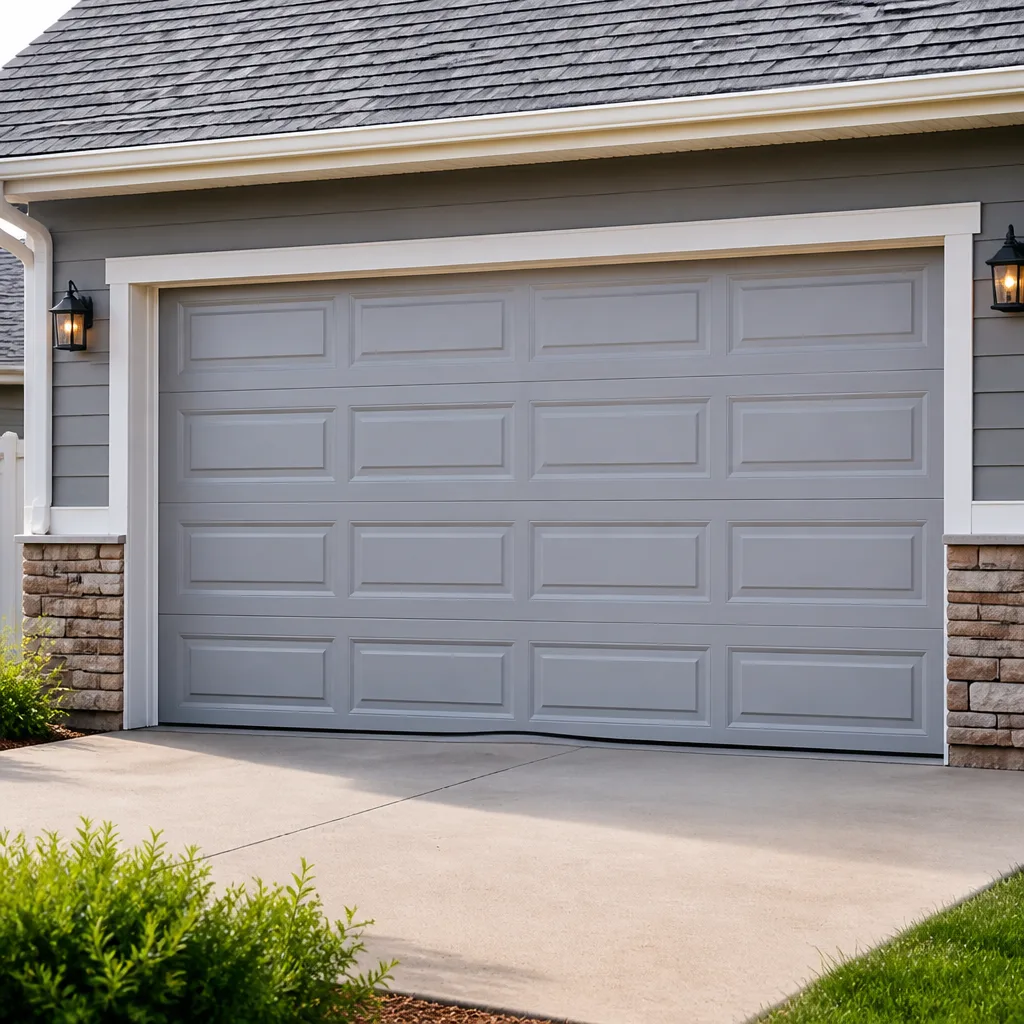 Raised-panel steel
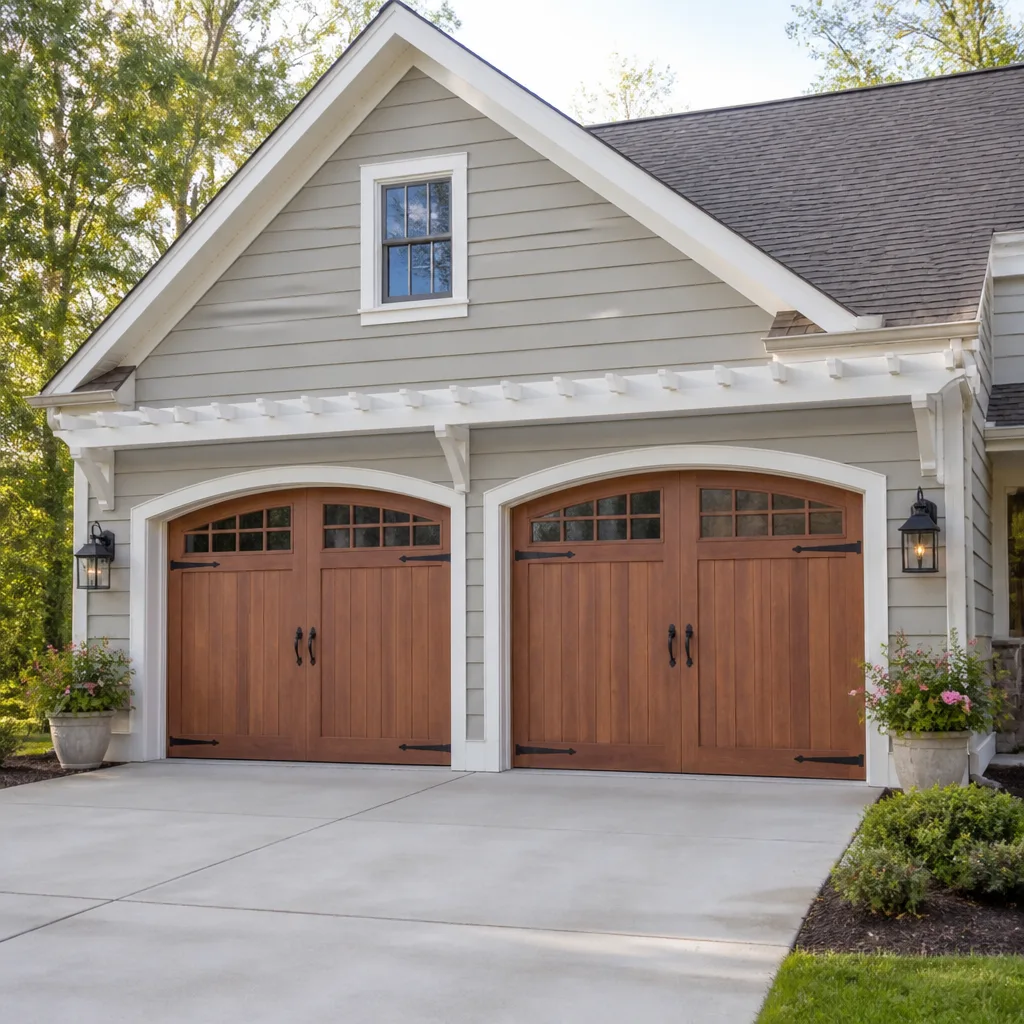 Carriage house
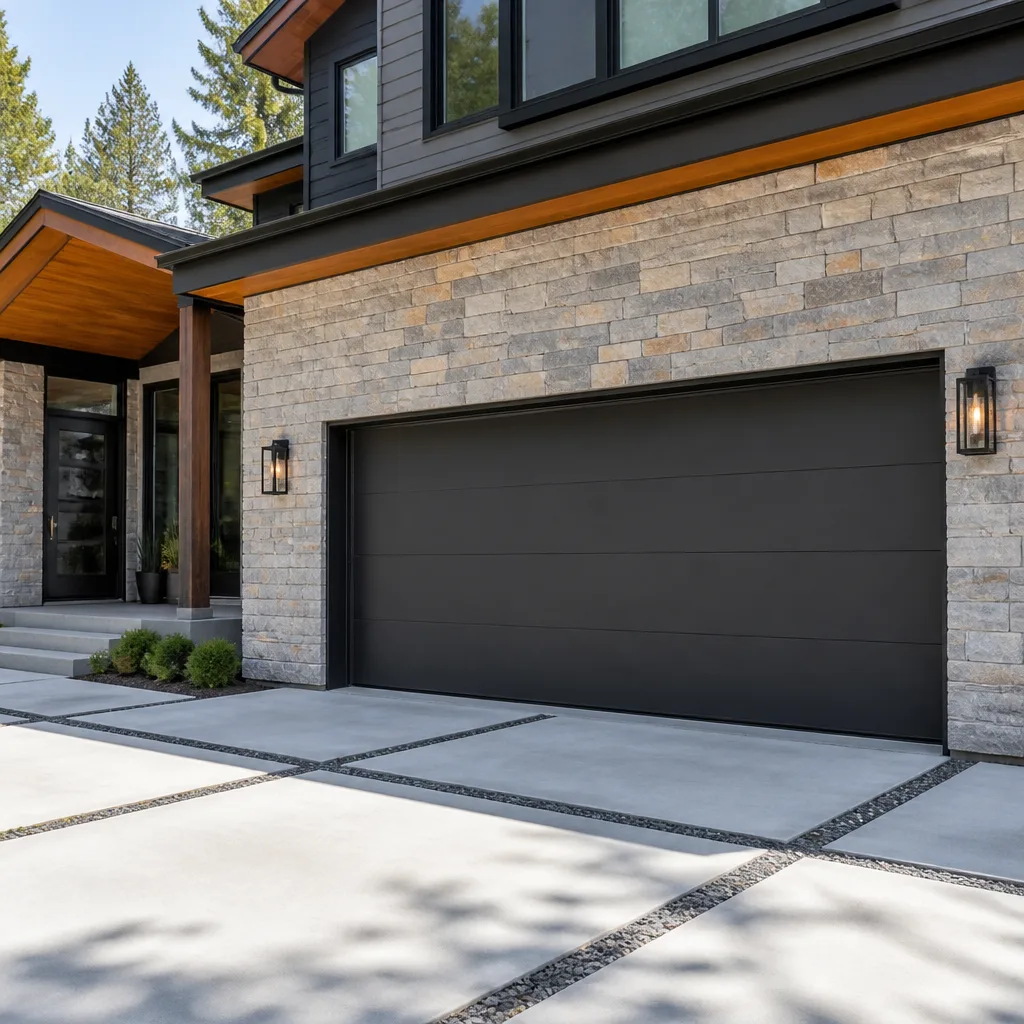 Modern flush
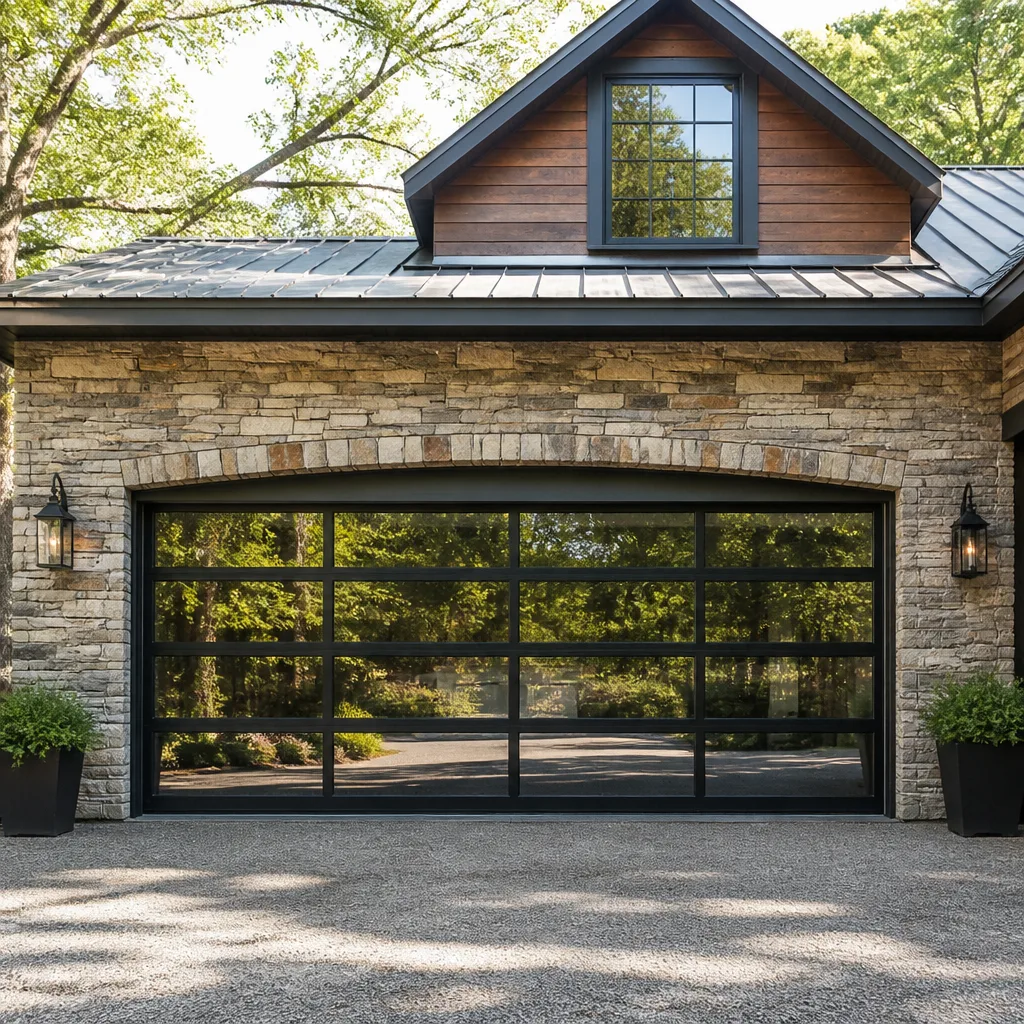 Full-view glass
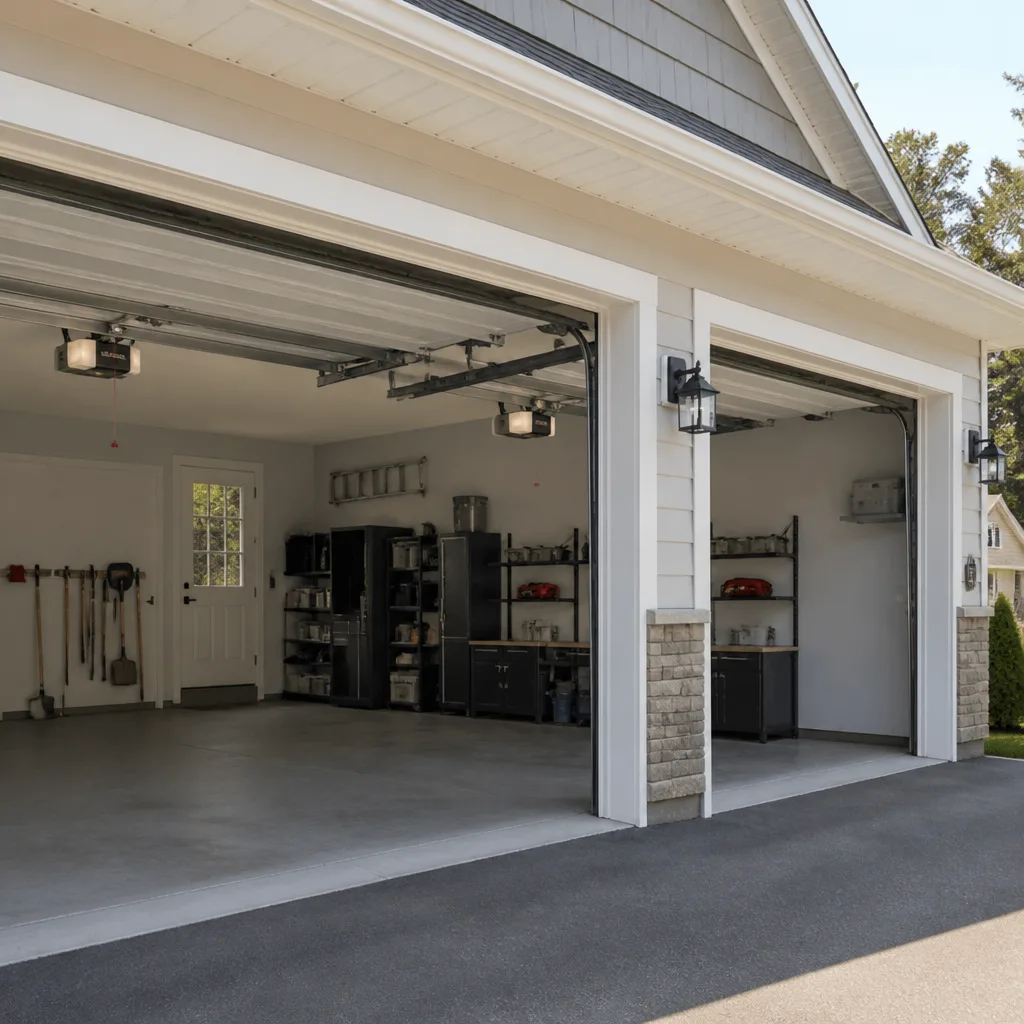 LiftMaster openers
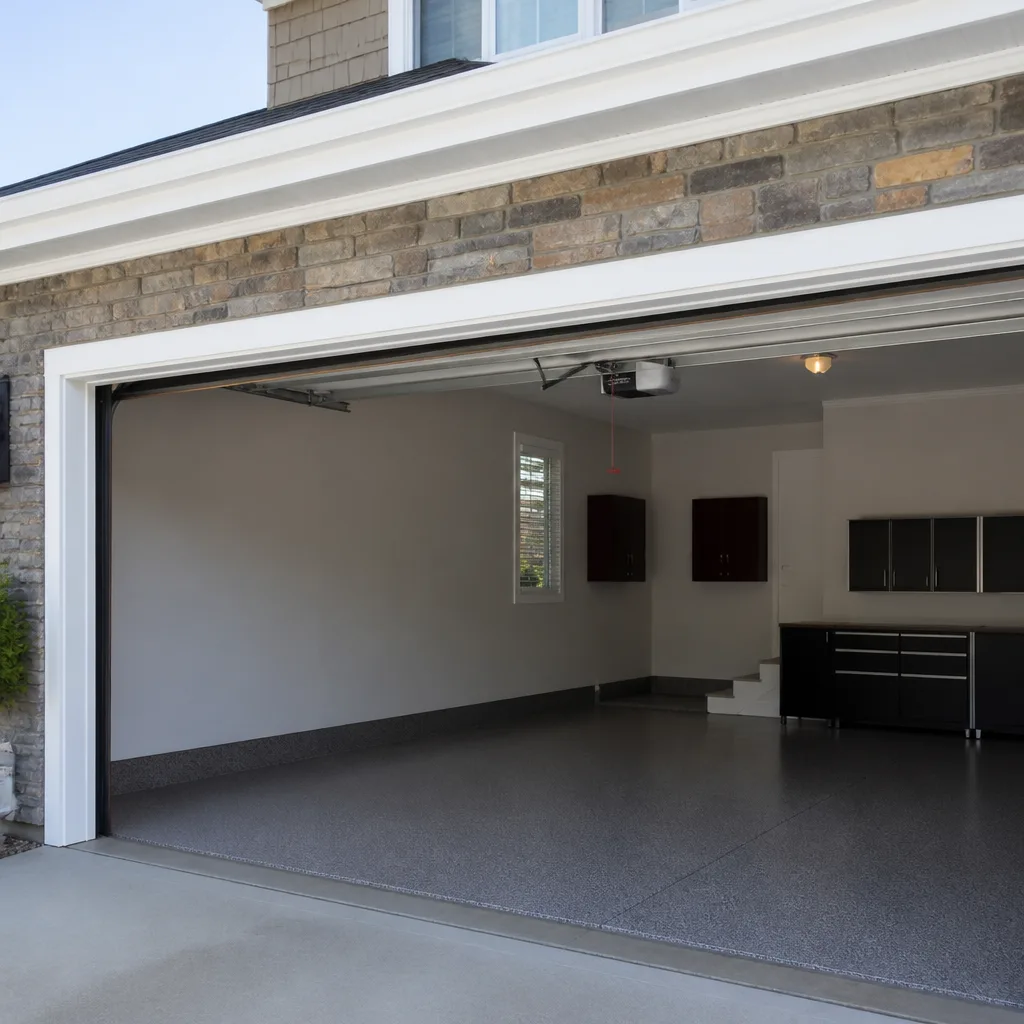 Chamberlain openers
Full 25-point door and opener safety check with every visit - springs, cables, rollers, tracks, and your LiftMaster or Chamberlain opener included
You get a price before we start. It does not change when the pro arrives.
Get your free estimateThe Complete Guide to Garage Doors in Mentor
Most garage door advice you’ll find online was written for a climate that doesn’t exist here. It assumes mild winters, dry summers, and a housing stock built to current dimensions. None of that describes Mentor. A large share of the city’s homes went up between 1955 and 1985, which means many homeowners are working with door openings, header heights, and framing that were never designed for modern high-lift systems or heavily insulated doors. That single fact changes almost every decision you’ll make about a garage door in Mentor, from what fits to what lasts. This guide covers how Lake Erie weather treats door materials, why local framing sometimes limits your upgrade options, how HOA rules in Mentor subdivisions shape what you can buy, and what multi-brand service really means when you inherit a door brand you didn’t pick.
Quick Answer
Garage door decisions in Mentor come down to three local factors: Lake Erie humidity and freeze-thaw cycles that wear on seals and steel finishes, mid-century framing that constrains door size and lift type, and HOA rules in many subdivisions that govern style and color. Repair is usually the right call for a working door with a failed spring, opener, or panel; replacement makes sense when the framing or door condition can’t support safe operation. The written estimate you get before any work starts is the price you’ll pay.
Styles & brands we work with
- Raised-panel steel
- Carriage house
- Modern flush
- Full-view glass
- LiftMaster openers
- Chamberlain openers
Table of Contents
- How Lake Erie Weather Affects Garage Doors in Mentor
- What Mentor’s Mid-Century Housing Stock Means for Your Door
- Which Door Materials Hold Up in Mentor’s Climate
- HOA Rules and Neighborhood Standards in Mentor
- What Multi-Brand Service Means for Mentor Homeowners
- The Most Common Garage Door Problems We See in Mentor
- Repair or Replace? How to Decide
- A Seasonal Maintenance Routine for Mentor Homes
How Lake Erie Weather Affects Garage Doors in Mentor
Mentor sits close enough to Lake Erie that the lake drives much of its weather. That means humid summers that leave moisture sitting against steel and wood, and winters that swing above and below freezing repeatedly. Freeze-thaw cycles are the harder problem. Water works into the bottom seal, the panel seams, and the gaps around the frame, then freezes and expands. Do that dozens of times over a winter and even a good seal starts to crack and pull away from the door.
Practically, here’s what that means for your door in Mentor:
- Bottom seals fail faster. The rubber or vinyl at the base of the door is the first part to go. A cracked seal lets cold air and water into the garage and puts stress on the door’s balance.
- Steel finishes need attention. Scratches and chips that would be harmless in a dry climate can start surface rust here when moisture sits in them through a humid stretch.
- Wood components swell and shrink. Wood-composite and wood frame doors move with the seasons, which can loosen joints and hardware over time.
- Hardware loosens. Vibration plus temperature movement works hinges, rollers, and track bolts loose. A door that rattles more than it used to is telling you something.
None of this means a garage door can’t last in Mentor. It means the parts that take the weather, especially the seal and the finish, need checking more often than a national guide would suggest. A quick look each fall before the first hard freeze catches most of it.
What Mentor’s Mid-Century Housing Stock Means for Your Door
A significant portion of Mentor homes were built between 1955 and 1985. If yours is one of them, you likely have a standard single-car opening of roughly 8 to 9 feet or a double opening around 16 feet, often with a header height that was fine for the doors of that era but tight for what’s sold today. This is the single most common surprise when a homeowner starts shopping for an upgrade.
Here’s what to check before you fall in love with a door style:
- Measure the opening and the headroom. The opening width and height matter, but so does the space above the door. High-lift and some insulated doors need more headroom than a 1960s garage typically provides.
- Look at the framing. Older framing may not be plumb or square after decades of settling. A door that’s ordered to the wrong dimensions won’t seal or operate correctly.
- Check the side clearance. Track and spring placement need room on the sides. Narrow side clearances in a mid-century ranch can rule out certain setups.
- Consider the ceiling and opener location. A low ceiling limits opener choices and how the door travels. This matters when you’re also replacing the opener.
Colonial layouts common in Mentor’s newer pockets tend to have more generous openings and headroom, so the constraints are less often a problem there. If you’re in a ranch built in the 1960s or 1970s, get the opening measured by someone who does this work before you order anything. A door that doesn’t fit is an expensive mistake, and it’s avoidable with a proper measure.
Which Door Materials Hold Up in Mentor’s Climate
National guides rank materials on national averages. Mentor’s actual conditions, humid summers and freeze-thaw winters, favor some materials more than others. Here’s how the three main options tend to perform here.
- Steel: The most common choice for good reason. Steel holds up well to temperature swings, resists moisture, and is the easiest to maintain. The weak point is the finish: keep chips and scratches touched up so surface rust doesn’t get a foothold during a humid stretch. Insulated steel is a strong pick for a Mentor garage that’s used as a workspace or shares a wall with living space.
- Wood composite: Good looks and decent weather resistance, but it moves with the seasons. In a climate that swings above and below freezing, joints and hardware need periodic attention. Worth it if appearance is the priority and you’re willing to keep up with it.
- Aluminum: Lightweight and rust-resistant, which suits a humid climate. It’s less dent-resistant than steel, so it’s a better fit for a low-traffic garage or an attached garage where the car doesn’t back into it.
One local note that matters more than the material choice: the bottom seal and the weatherstripping take the worst of the Lake Erie moisture and freeze-thaw. Whatever door you choose, budget for checking and replacing those parts as part of ownership in Mentor. They’re inexpensive compared to a door and they do most of the work keeping water out.
HOA Rules and Neighborhood Standards in Mentor
Many Mentor subdivisions have homeowner association rules that govern what your garage door can look like. These rules typically cover color, panel style, and window inserts, and they exist to keep a street looking consistent. They’re also the reason a door that looked great in a showroom can’t always go on your house.
Before you buy, do these things in order:
- Get the current architectural rules from your HOA. Ask specifically about garage door color and style. Rules change, so get the version in force now.
- Find out the approval process. Many associations require a written request before installation. Skip that step and you may be asked to replace a brand-new door.
- Match or complement the trim and siding. Even where rules are loose, a door that clashes with the house stands out on a consistent street.
- Check with the city on permits. Permit rules vary by project and by city. Most cities require a permit for a structural change like widening an opening, so ask Mentor’s building department what applies to your job before work starts.
This is where a local company earns its keep. Someone who works in Mentor regularly knows which subdivisions have strict architectural review and what tends to get approved. That saves you from ordering a door twice.
What Multi-Brand Service Means for Mentor Homeowners
Most homeowners didn’t choose their garage door brand. It came with the house, or a previous owner picked it. That’s exactly why working across brands matters more than working with one. A company that only services its own brand will push you toward a replacement when a repair on the door you have would do the job.
We service equipment from LiftMaster, Chamberlain, Genie, Clopay, Amarr, Wayne Dalton, Craftsman, and Raynor. That covers nearly any system a Mentor homeowner is likely to have, whether the door is an older Wayne Dalton or Amarr installed decades ago or a newer setup. When it comes to garage door opener repair, the same applies: smart-home-ready brands like LiftMaster and Chamberlain get the same attention as older traditional units.
The practical benefit is speed and honesty. When the technician knows your brand, diagnosis is faster and the recommendation is based on what’s actually wrong rather than what’s convenient to sell. Spring, opener, panel, or full door – we handle it all, and that breadth means you don’t call a second company when a repair turns into a replacement. Fast diagnosis and an honest recommendation is the goal on every visit.
The Most Common Garage Door Problems We See in Mentor
Most garage door failures fall into a handful of categories, and each has a different fix and a different urgency. Knowing which one you’re dealing with helps you describe it clearly when you call.
- Broken spring: The door won’t lift, or lifts a few inches and stops. You may hear a loud snap. This is the most common serious failure and the most dangerous to touch. Springs are under high tension and can cause severe injury. Don’t try to adjust or replace them yourself; call for garage door spring repair. A single spring typically runs $180-$340, and a matched pair, usually replaced together, costs about twice that.
- Opener trouble: The door won’t respond, moves erratically, or the remote stops working. Sometimes it’s a battery or a sensor alignment; sometimes it’s the opener unit itself. A technician can tell the difference quickly.
- Off-track or bent track: The door binds, scrapes, or hangs at an angle. This often follows an impact or a worn roller and needs to be corrected before it damages panels.
- Worn rollers and hinges: A noisy, rattling door. Common in Mentor’s older homes where hardware has loosened over years of temperature cycling.
- Failed bottom seal: Water and cold air get in. Inexpensive to fix and worth doing before winter.
When a door stops moving entirely, that’s an emergency for a lot of households. A stuck door is a security gap and a blocked exit. That’s the situation where fast response matters most, and it’s why we keep emergency service in the mix rather than treating it as a marketing line.
Repair or Replace? How to Decide
The right call depends on the door’s condition, its age relative to its expected life, and whether the framing in your Mentor home supports a better option. Here’s a straightforward way to think about it.
Repair usually makes sense when:
- The door itself is structurally sound and the problem is a spring, opener, roller, or seal.
- The panels are intact and the finish is holding.
- The door operates safely and seals reasonably well.
Replacement usually makes sense when:
- Panels are badly dented, rusted through, or cracked beyond practical repair.
- The door is at the end of its expected life and repairs are adding up.
- You want insulation, better security, or a style change and the framing supports it.
- Safety features are missing and can’t be added to the current door.
A good rule: if the repair cost is a small fraction of a new door and the door is otherwise healthy, repair it. If the door is failing in several ways at once, replacement is often the better value over the next several years. A technician should tell you which category you’re in and why, not push one answer. When it comes to garage door repair, honest diagnosis matters more than the sale.
A Seasonal Maintenance Routine for Mentor Homes
A little preventive work goes a long way in a climate that swings from humid summers to freeze-thaw winters. This routine fits the way Mentor garages actually get used.
- Lubricate moving parts. Rollers, hinges, and springs benefit from a garage-door lubricant a couple of times a year. Don’t use a general household oil that attracts dirt.
- Check the bottom seal. Look for cracks, tears, or gaps. Replace it before the first hard freeze so water doesn’t get in and expand as ice.
- Test the balance. Disconnect the opener and lift the door halfway. It should stay put. If it drops or rises on its own, the springs need attention from a technician.
- Test the safety reverse. Put an object in the door’s path and confirm it reverses. This is a safety feature you want working.
- Tighten hardware and inspect the finish. Look for loose bolts and touch up any chips or scratches in the paint before a humid stretch gets to the bare metal.
- Look at the track. It should be straight and clear of debris. Don’t force a bent track back into place; that’s a job for someone with the right tools.
This routine catches most small problems before they turn into big ones. If something feels off, a free estimate costs you nothing and gives you a clear answer. You can reach Mentor Garage Door Repair Pros to get a technician out to take a look. Call (833) 923-2167. We answer 24/7 with fast dispatch from 7am to 7pm, Sunday through Friday.
Common Mistakes to Avoid
- Ordering a door before measuring the opening. In Mentor’s mid-century homes, headroom and side clearance are often tighter than the door you’ve picked out requires. Measure first, order second.
- Trying to fix a broken spring yourself. Springs are under high tension and can cause serious injury. This is not a do-it-yourself repair, no matter how straightforward it looks online.
- Buying a door without checking HOA rules. Many Mentor subdivisions have architectural standards for color and style. A door that gets rejected is expensive to undo.
- Assuming a single-brand company will repair what you have. If a company only services its own brand, it may steer you to a replacement. Ask what brands they work on before you book.
- Ignoring the bottom seal through winter. Water trapped under a failed seal freezes and expands, and that’s how small seal problems become frame and panel problems in this climate.
- Letting small rust spots go. In a humid Lake Erie summer, a scratched steel panel can start rusting faster than a national guide would suggest. Touch up chips when you see them.
- Skipping the free estimate and guessing at the price. You’ll get a written estimate before any work starts, so there’s no reason to guess what a repair will cost.
See the difference
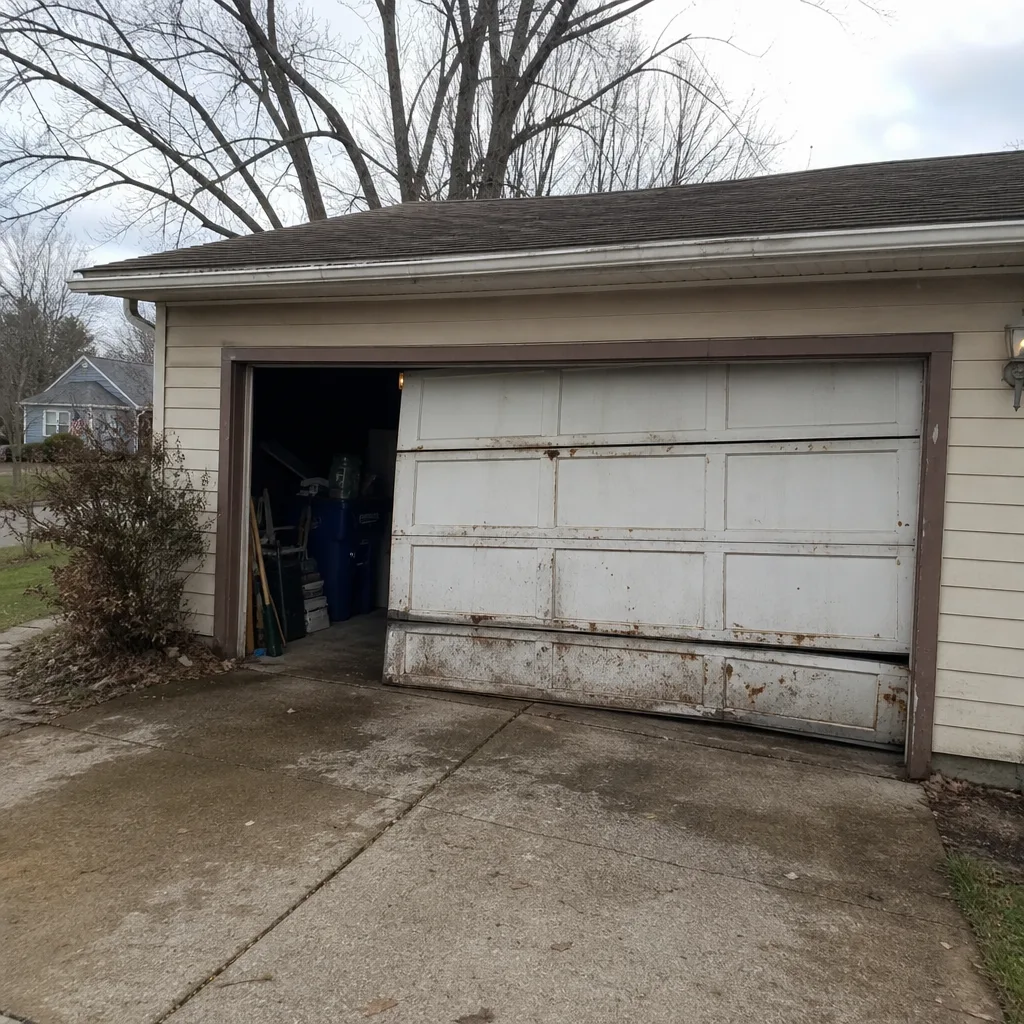 Before
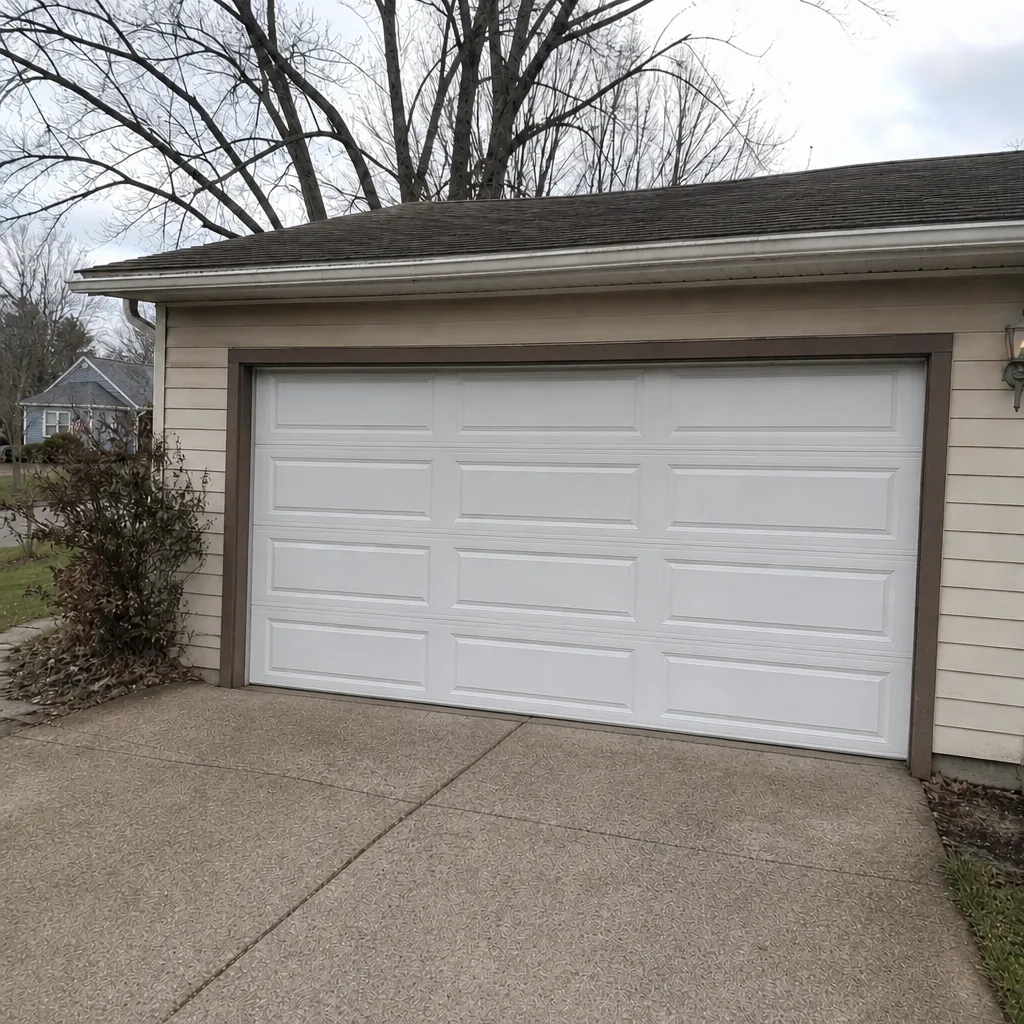 After
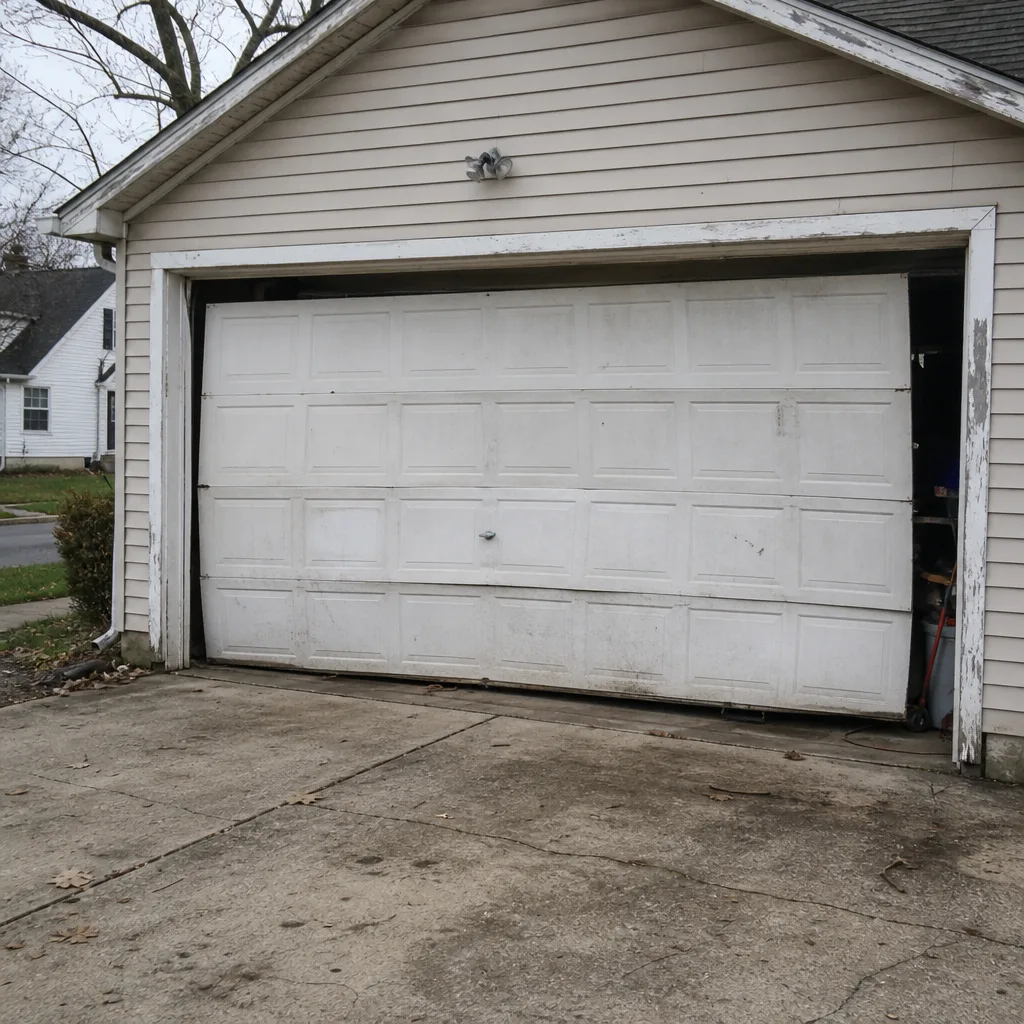 Before
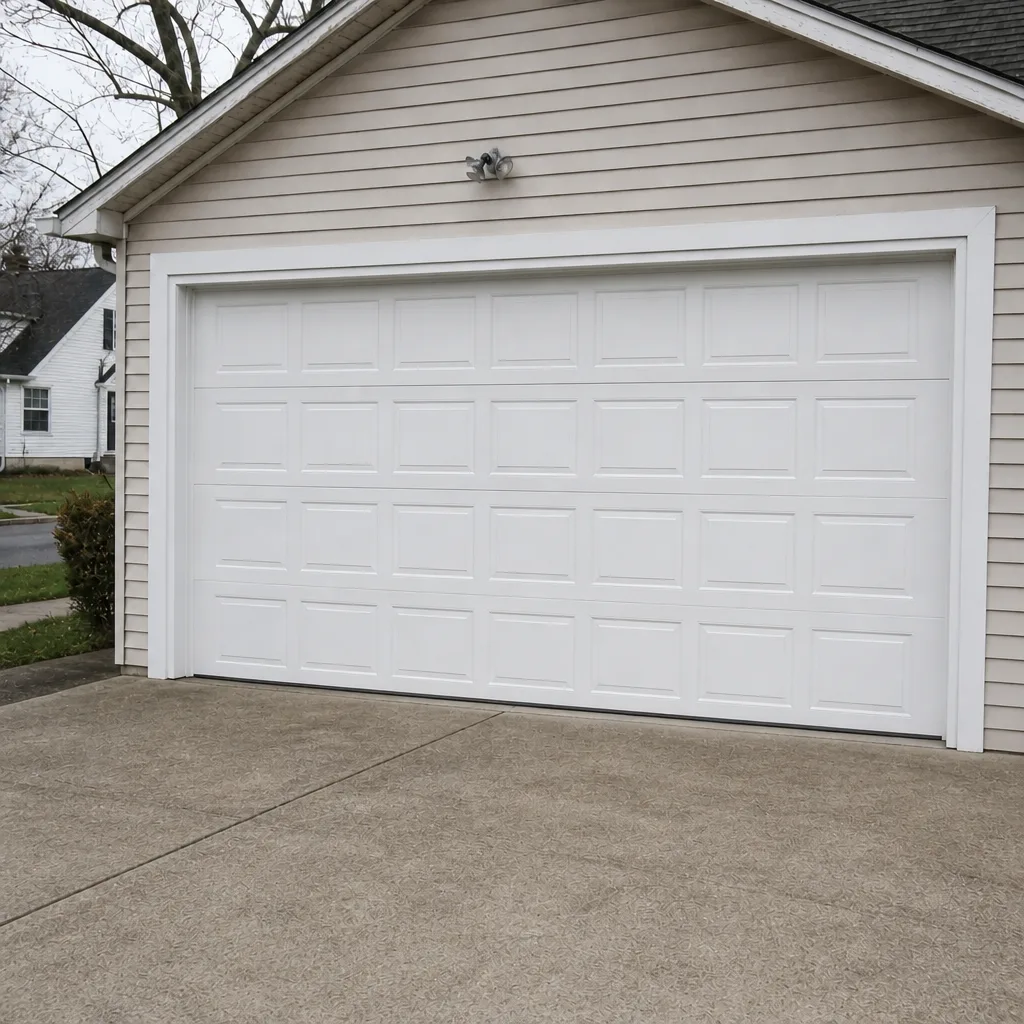 After
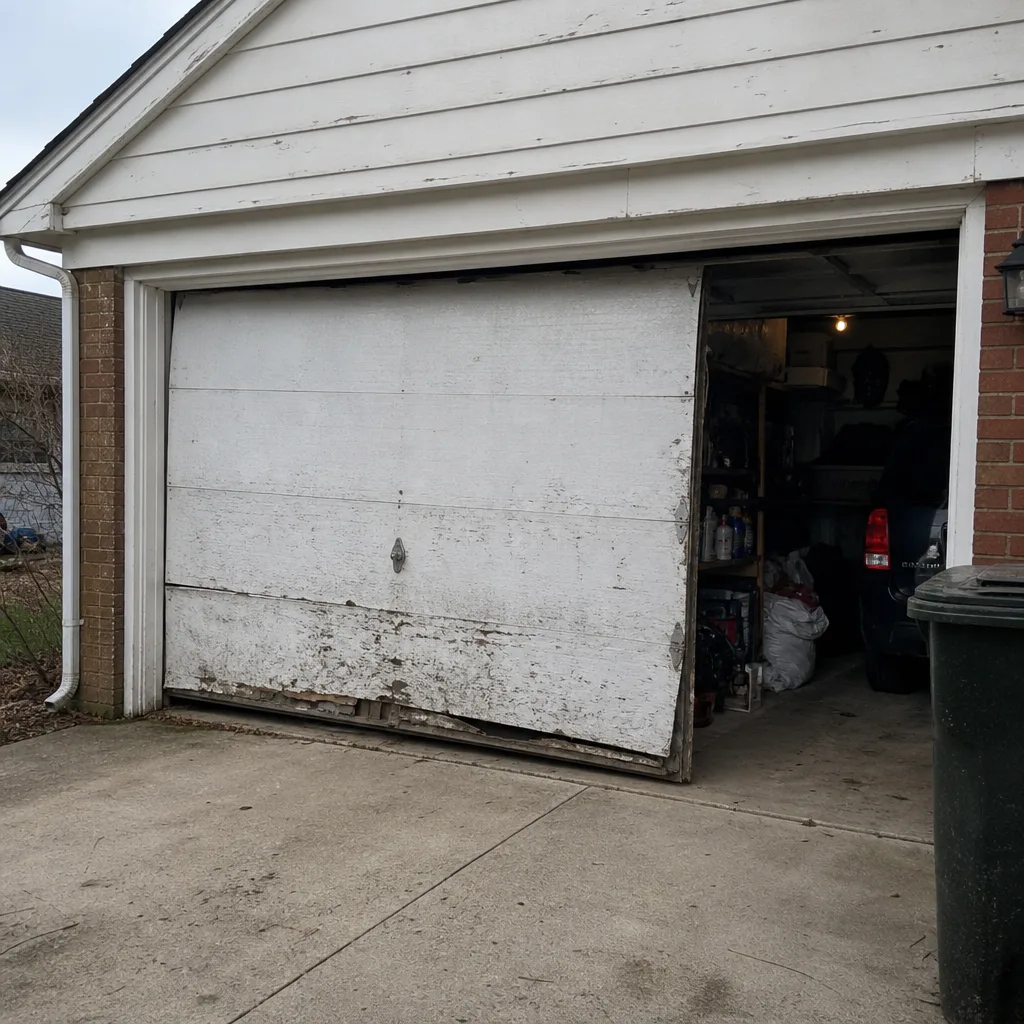 Before
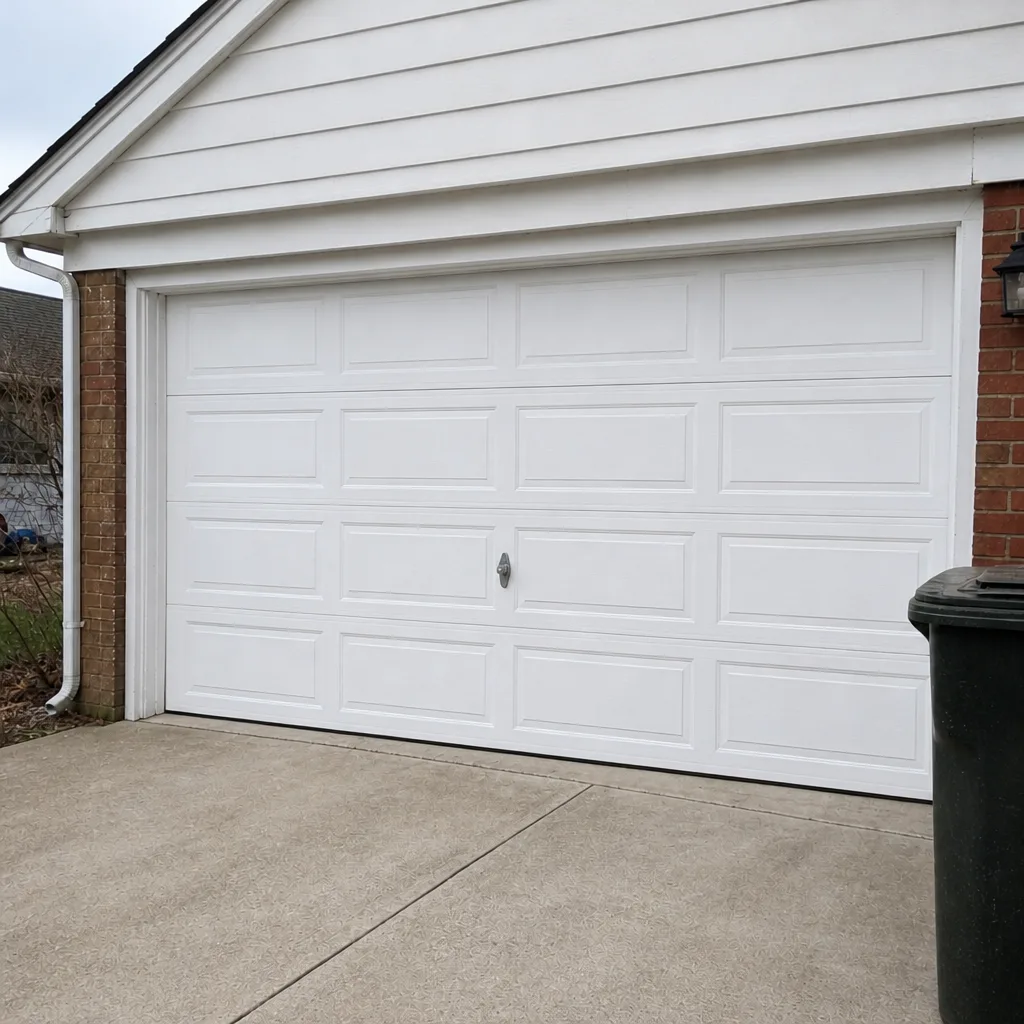 After
When to Call a Professional
Some garage door problems are safe to handle yourself: a dead remote battery, a dirty safety sensor, a noisy hinge that needs lubrication. Others aren’t. Call a professional when the door won’t open or close fully, when you hear a snap from the spring area, when the door is off-track or hanging at an angle, when the opener runs but the door doesn’t move, or when you see frayed cables. Those point to the high-tension parts of the system where a mistake can cause serious injury. If your door won’t move at all and you need it working today, describe what’s happening on the phone and we’ll get it booked. Mentor Garage Door Repair Pros offers free estimates in Mentor, and the price is agreed before any work starts. Call (833) 923-2167.
Frequently Asked Questions
Spring repair in Mentor typically costs $180-$340 for a single spring. A matched pair, which is usually replaced together, costs about twice that. The exact price depends on the door’s size and setup, and the written estimate sets the final price. Call (833) 923-2167 for an exact quote, and estimates are free.
We offer same-day service for repair and emergency situations, including stuck doors and broken springs. We answer 24/7 with fast dispatch from 7am to 7pm, Sunday through Friday. Call (833) 923-2167 and describe what the door is doing so we can bring the right parts.
No. The price is quoted and agreed before any work starts, so the written estimate you approve is the number you pay. If we find something else while we’re on site, we’ll tell you what it is and what it costs before we touch it. Call (833) 923-2167 for a free estimate.
We service LiftMaster, Chamberlain, Genie, Clopay, Amarr, Wayne Dalton, Craftsman, and Raynor, which covers nearly any door or opener a Mentor homeowner is likely to have. That includes both smart-home-ready openers and older traditional units. Call (833) 923-2167 and tell us your brand.
Humidity and repeated freeze-thaw cycles are harder on bottom seals, steel finishes, and hardware than a milder climate would be. The bottom seal and weatherstripping take the worst of it, and they’re the first parts to check each fall. A cracked seal lets water in, and that water expands when it freezes. Call (833) 923-2167 if you notice drafts or water getting in.
That depends on the project. A simple door swap often doesn’t require one, while a structural change like widening the opening usually does. Call Mentor’s building department to confirm what applies to your job before work starts. We can walk you through what we’ll be doing so you know what to ask.
The Bottom Line
Garage doors in Mentor live in a specific environment: humid Lake Erie summers, freeze-thaw winters, and a housing stock that’s often older than the door you’d like to buy. That changes the decisions you make. Check the bottom seal and finish each fall. Measure your opening and check your HOA rules before ordering anything. Service whatever brand came with the house rather than letting a single-brand shop talk you into a replacement. And when the door stops moving, treat it as urgent. Repair is usually the smarter move unless the door is failing in several ways at once. The written estimate is the price, and it comes before the work starts. Whether it’s a spring, opener, panel, or full door, the team at Mentor Garage Door Repair Pros is here to help.
Call (833) 923-2167 for a free estimate. We answer 24/7 with fast dispatch from 7am to 7pm, Sunday through Friday.
Written by the team at Mentor Garage Door Repair Pros.