
Last updated November 22, 2026
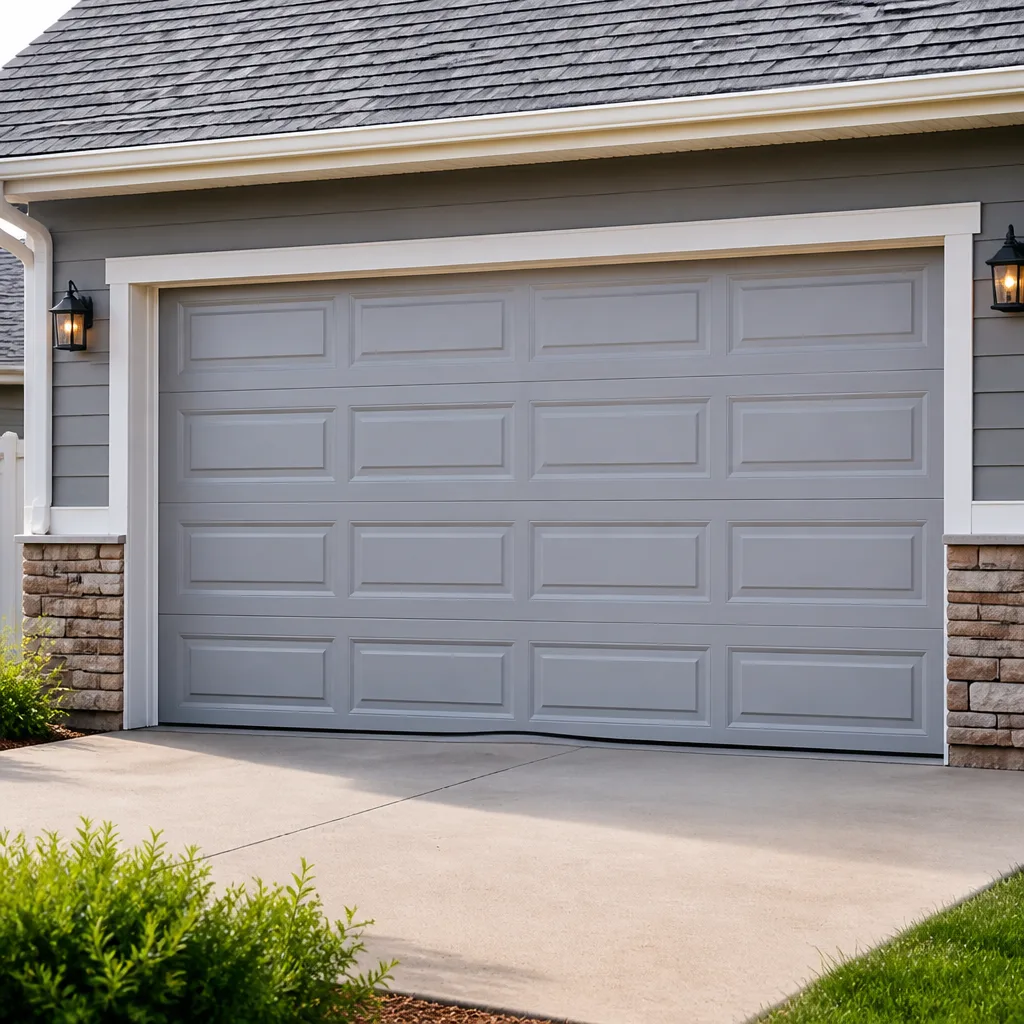 Raised-panel steel
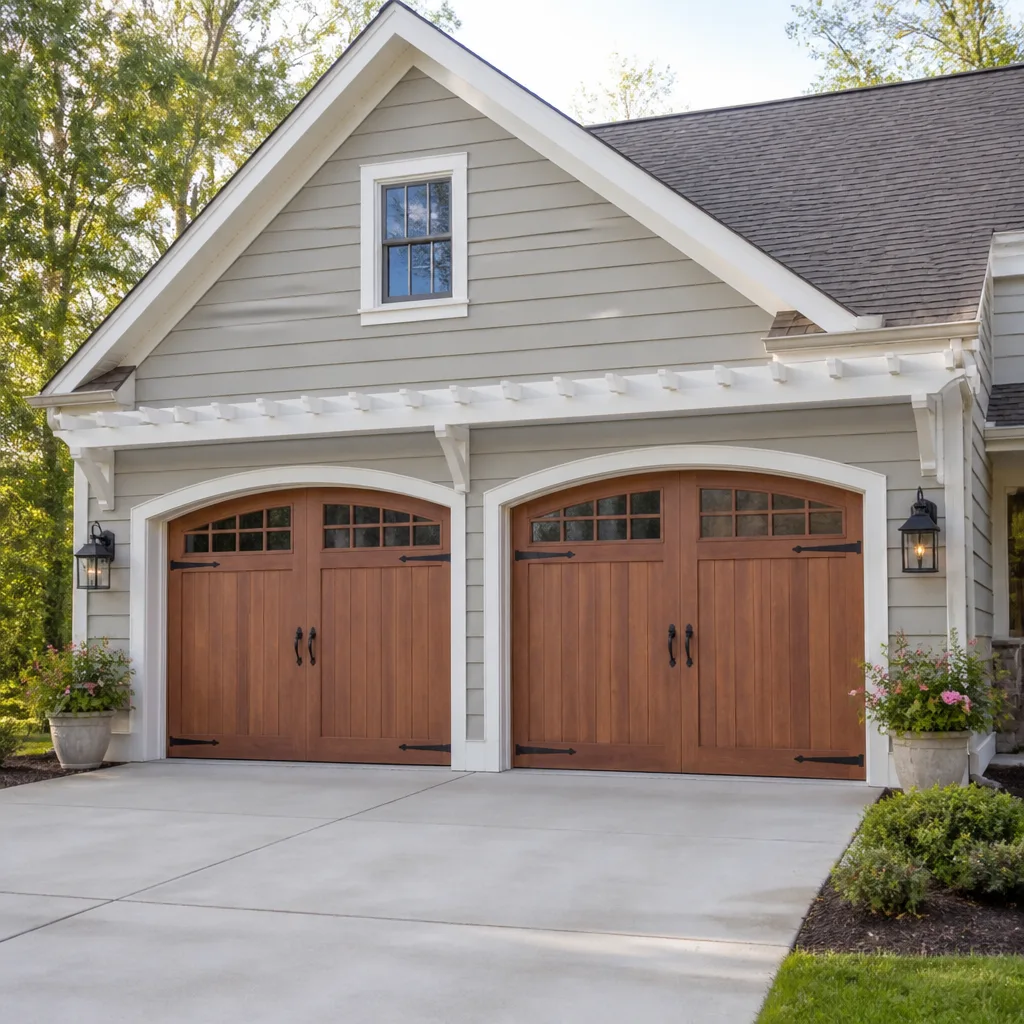 Carriage house
 Modern flush
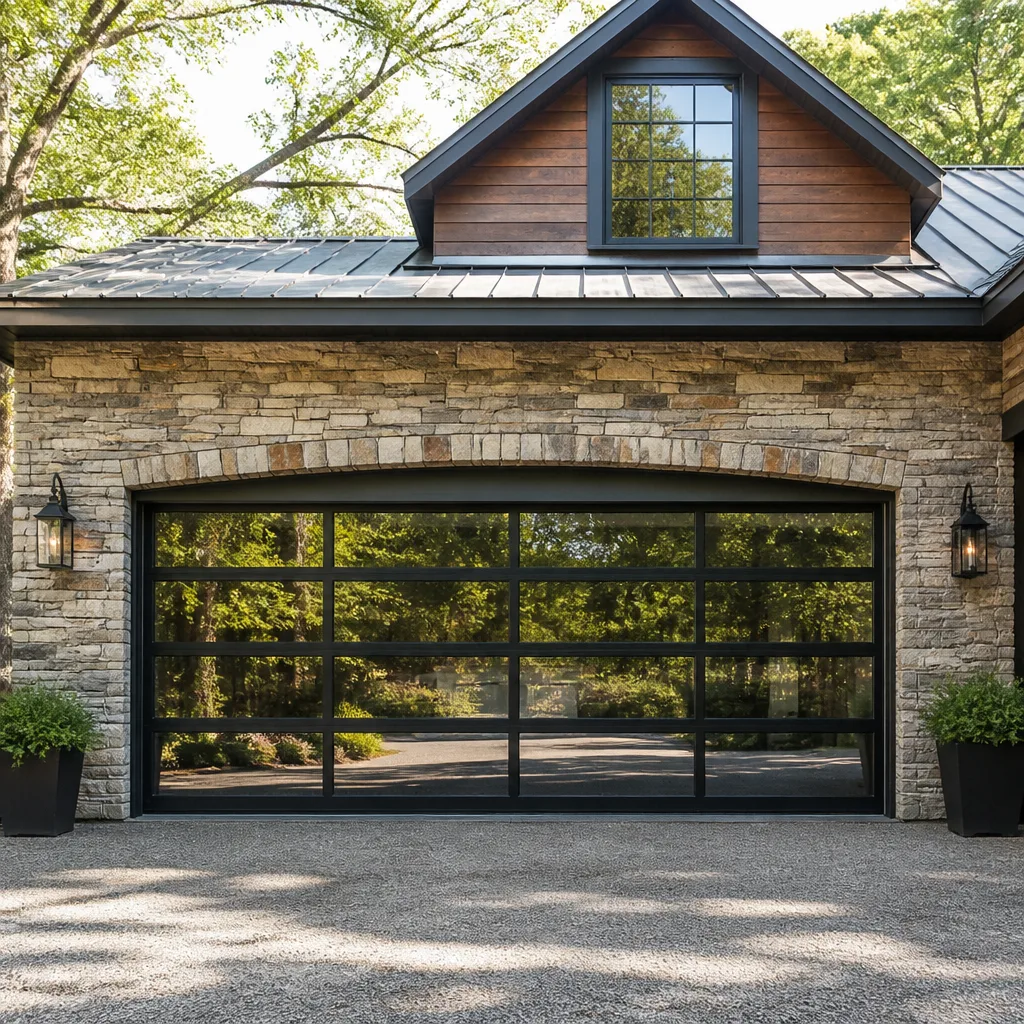 Full-view glass
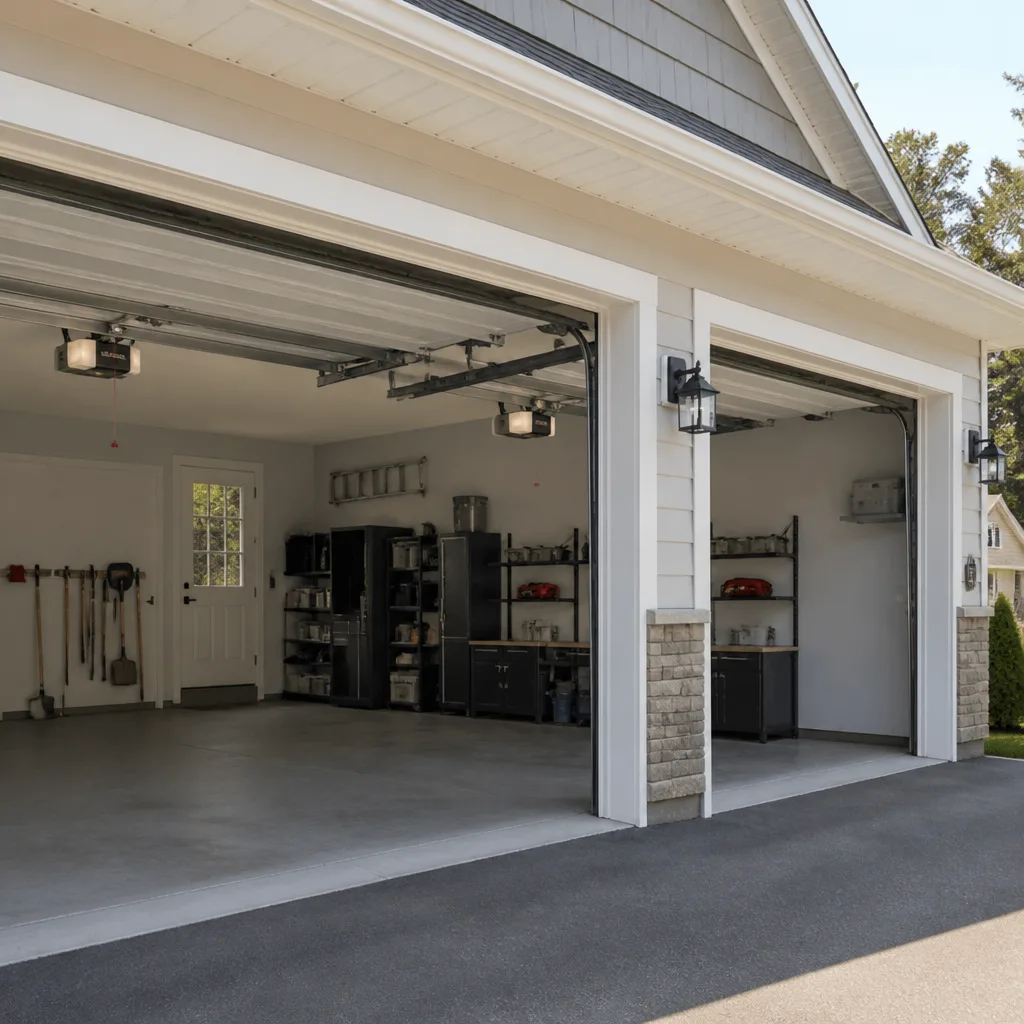 LiftMaster openers
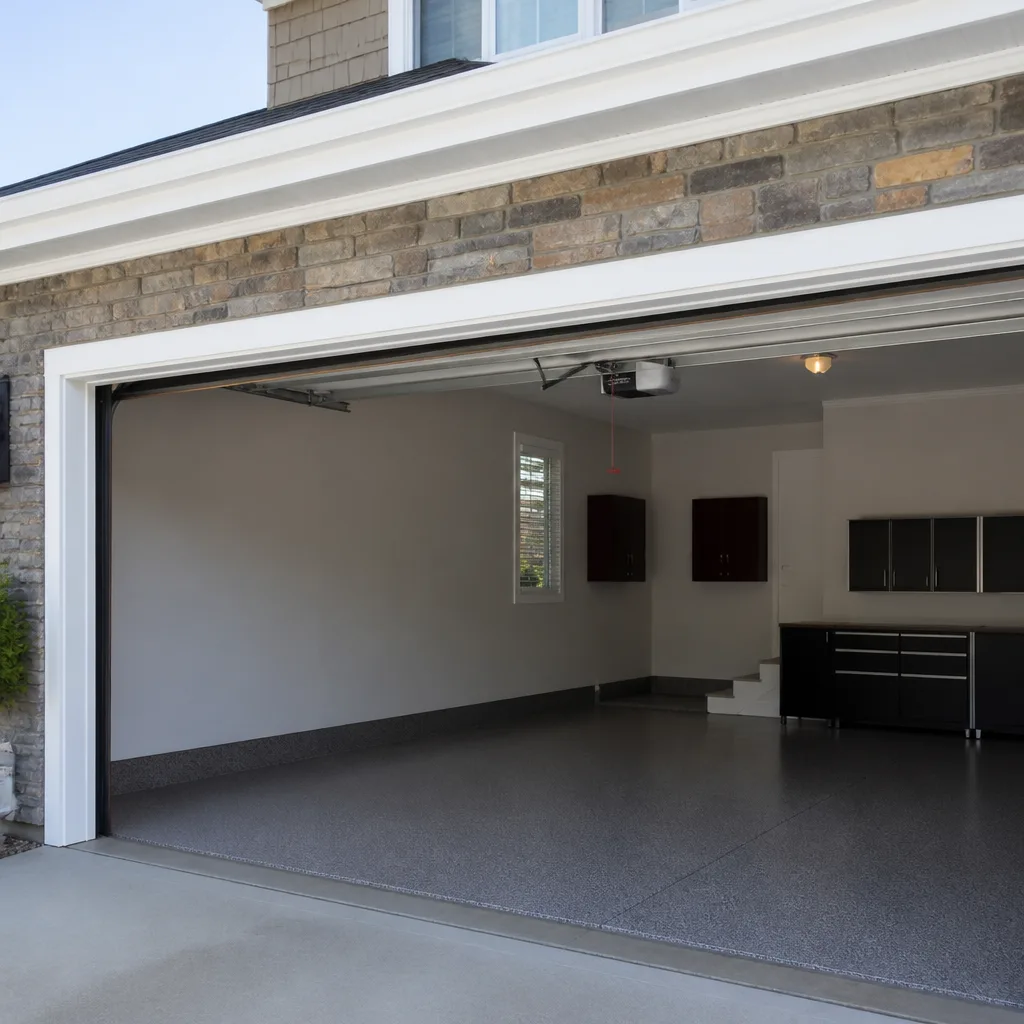 Chamberlain openers
Full 25-point door and opener safety check with every visit - springs, cables, rollers, tracks, and your LiftMaster or Chamberlain opener included
You get a price before we start. It does not change when the pro arrives.
Get your free estimateDIY vs Professional Garage Door: The Mentor Homeowner’s Decision Guide
Most “DIY garage door repair” articles tell you to leave springs to the pros somewhere near the bottom, almost as an afterthought. That’s backwards. A torsion spring stores a tremendous amount of energy, and if it lets go while you’re adjusting it, there’s no second chance to read the fine print. So we’re putting the danger first, where it belongs. In this guide, we separate garage door work into two honest buckets: the tasks a mechanically confident Mentor homeowner can handle without risk, and the ones that genuinely shouldn’t be touched. You’ll also see where DIY “savings” quietly disappear, how extension spring systems in older Mentor homes create their own hazards, and what the middle path looks like. We’ll walk through all of it.
Quick Answer
Lubrication, weatherstripping, sensor alignment, and visual inspections are reasonable DIY jobs for a careful homeowner; torsion springs, cable drums, and structural header work are not, and should always go to a trained professional. For anything electrical at the opener or structural at the door, the risk and the tool cost usually outweigh the DIY savings. When in doubt, get a written estimate from a licensed professional before you pick up a wrench.
Styles & brands we work with
- Raised-panel steel
- Carriage house
- Modern flush
- Full-view glass
- LiftMaster openers
- Chamberlain openers
Table of Contents
- Why the DIY Question Is Really a Safety Question
- Tasks Safe for Mechanically Confident DIYers
- Tasks You Should Never DIY
- The Real Cost Difference Between DIY and Professional
- Why Extension Spring Systems Trip Up Mentor Homeowners
- How Ohio Homeowner Insurance Handles Garage Door Damage
- The Middle Path: Dangerous Portion Pro, Rest DIY
- Brand-Specific Repairs and Mentor Weather
- Common Mistakes to Avoid
- When to Call a Professional
- Frequently Asked Questions
- The Bottom Line
If you’re looking for the full range of what we do, start at Mentor Garage Door Repair Pros and work from there.
Why the DIY Question Is Really a Safety Question
The DIY vs professional garage door decision isn’t mostly about skill level. It’s about which tasks carry physical danger that no amount of mechanical confidence can eliminate. A homeowner who rebuilds engines can still get seriously hurt by a torsion spring loaded onto a winding bar that slips. The energy stored in a properly tensioned torsion spring is released all at once if a fastener lets go, and that release is powerful enough to break bones. Extension springs under an older door carry the same warning, and cable drums under tension add another layer of stored force.
So the real sorting question is simple: does this task put a loaded spring or cable near your hands? If yes, it’s a professional job. If no, it may be worth doing yourself. What separates “safe” from “never touch” usually has nothing to do with how handy you are.
Task classification for a Mentor garage door:
- Low risk, DIY-viable: lubrication, weatherstripping replacement, sensor cleaning and alignment, track bolt tightening, visual inspection, and sweeping debris out of tracks.
- Middle risk, ask a pro first: opener electrical work, roller replacement, panel replacement, and bottom-seal brackets that sit near a cable.
- High risk, do not DIY: torsion spring repair or replacement, extension spring repair, cable drum work, and any header or structural work above a door opening.
A local professional will also tell you honestly whether the door is worth repairing at all, which is why a free estimate is often the cheapest step in the whole process. We connect Mentor homeowners with independent local technicians who work across most major brands and can give you that straight answer.
Tasks Safe for Mechanically Confident DIYers
There is a real list of garage door maintenance tasks a careful homeowner can do with basic tools and no special training. These are the ones that keep a door quiet and reliable without putting you anywhere near stored spring energy. If you take on anything, take on these:
- Lubrication. A few drops of garage door lubricant on hinges, rollers, and the torsion or extension spring surface once or twice a year reduces noise and wear. Wipe off excess.
- Weatherstripping. The rubber seal along the bottom of the door and the foam or vinyl around the frame wear out with seasons. Replacing them is a straightforward weekend project with a screwdriver and a sharp utility knife.
- Sensor alignment. The two photocell eyes near the floor at each side of the opening need to see each other. If they’re misaligned, wipe the lenses, nudge the brackets back into line, and confirm the door won’t close on an obstruction.
- Track bolt tightening. Hand-tighten loose bolts holding the track brackets. Don’t overtighten, and never move the track itself to “fix” a rub.
- Visual inspection. Look for frayed cables, worn rollers, sagging panels, and rust along the bottom. Write down what you see. This information makes any pro’s diagnosis faster.
These tasks are low-risk and genuinely worth doing yourself if you’re comfortable with a wrench. Anything that requires lifting or moving a loaded spring belongs on the other list.
Tasks You Should Never DIY
Torsion springs, cable drums, and any structural header work are not homeowner jobs, full stop. The energy stored in a wound torsion spring or a tensioned cable can cause severe injury or death in an instant, and there’s no “safe mistake” for the untrained. Professional technicians use winding bars, steady technique, and the right tools for a reason. Even experienced techs treat a loaded spring as a hazard, not a puzzle.
What must go to a professional:
- Torsion spring replacement. A loaded spring must be safely released, measured, and replaced with the correct wire gauge and cycle rating before it’s wound again.
- Extension spring repair. Older Mentor homes often have these along the top tracks. When one breaks, the other has usually been carrying the load. A trained tech replaces both and checks the cables and pulleys while the tension is off.
- Cable drum work. Cables sit under enormous tension. A loose cable can whip, and cutting one under load can be dangerous.
- Header and structural work. Anything above the door opening that involves the framing is a construction call, not a maintenance call.
If you read nothing else, read this: if the job involves a loaded spring or cable, stop. Our garage door spring repair team handles those jobs with the right tools and procedure, and a free estimate will tell you exactly what’s needed. For cable or mechanism problems more broadly, our garage door repair team can take a look. Some jobs are just not worth the risk.
The Real Cost Difference Between DIY and Professional
Where DIY is genuinely viable, the cost gap is usually smaller than it looks once tool rental and repeat attempts are counted. For a task like weatherstripping or lubrication, DIY is cheaper. For a task like sensor replacement or roller repair, the numbers get closer, and after a second trip to the hardware store the savings often disappear entirely. Tools are the quiet budget killer: a proper winding bar setup or a cable puller costs more than a single pro visit, and you’ll use it once.
A realistic comparison for viable tasks:
- Weatherstripping (bottom seal and frame): DIY materials are modest and a pro job is modest. DIY wins if you already own a utility knife and screwdriver.
- Lubrication: the cheapest DIY task on the list. A can of garage door lubricant and a rag.
- Sensor replacement: DIY parts are affordable, but a mis-aimed sensor is a safety problem, so pro pricing is defensible.
- Roller replacement: DIY is viable for a confident homeowner, but worn rollers often signal track or hinge wear a pro would catch.
- Opener electrical work: the tool cost and the risk of miswiring push DIY into “not worth it” territory.
On any task where both options are viable, remember that professional pricing is typically set by a written estimate given before work starts, and that written estimate is the price you pay. So the comparison is real, not a hidden upcharge. If you want a straight number, call (833) 923-2167. Estimates are free.
Why Extension Spring Systems Trip Up Mentor Homeowners
Extension springs deserve their own section because they’re more common in older Mentor homes and they’re more frequently attempted as DIY repairs. They sit horizontal along the top tracks and stretch rather than wind, so they look less dramatic than a torsion bar. That visual calm is misleading. An extension spring is still storing a large amount of energy, and when it breaks, the two sides of the door are suddenly unbalanced.
What goes wrong with extension spring DIY attempts:
- One spring replaced, not both. If one has broken, the other is usually near the end of its life. A matched pair should be replaced together. A pair costs about twice a single spring, so the estimate reflects that honestly.
- Safety cables skipped. Extension springs should have safety cables threaded through them. Getting this wrong turns a spring break into a flying object.
- Wrong spring rating. Extension springs have to match the door’s weight. A heavier replacement spring can bend panels and strain the opener.
- Cutting a cable under tension. Because the spring looks passive, homeowners underestimate the stored energy in the cable that runs through it.
If your Mentor door has extension springs and one is broken, do not run the opener and do not try to replace it yourself. Call for a same-day assessment when you can. You’ll get a written price before any work starts so there are no surprises.
How Ohio Homeowner Insurance Handles Garage Door Damage
Self-inflicted garage door damage is usually not covered by an Ohio homeowner policy. Insurance generally responds to sudden accidental events outside your control, such as a vehicle impact or a storm event. When damage is the direct result of a DIY repair gone wrong, the claim is typically treated as owner error rather than a covered loss. The safest approach is to read your own policy declarations or call your agent before assuming a repair is claimable. Don’t assume the policy will absorb a mistake.
What a professional repair provides that DIY doesn’t:
- Written documentation. A written estimate and a record of the work performed give you something concrete if a dispute or claim ever arises.
- A record of the parts installed. Brand and model of the spring, opener, or panel help your agent and any future technician.
- Verifiable workmanship. A licensed, insured local professional working under a documented scope is a cleaner story than an anonymous DIY repair.
- An honest recommendation. A pro can tell you when a repair is claimable versus when it’s simply maintenance, and that protects you from filing a claim you’d regret.
None of this is legal advice, and none of it substitutes for your own policy language. But in our experience, the documentation alone is worth the call.
The Middle Path: Dangerous Portion Pro, Rest DIY
There’s a legitimate best-of-both option for many Mentor homeowners: hire a pro to do the dangerous portion and finish the cosmetic work yourself. This is not a workaround, it’s a sensible division of labor. You’re paying for the trained hands on the parts that carry real risk and saving on the tasks you can safely handle. The written estimate covers exactly the dangerous scope, and you can ask the technician to leave the rest for you.
How the split usually works:
- Get a free estimate and ask the technician to write down which portions are safety-critical and which are finish work.
- Have the pro handle the spring, cable, opener electrical, or structural portion. These are the tasks that carry danger or code risk.
- Do the weatherstripping, lubrication, sensor alignment, and cosmetic panel work yourself once the system is back under safe tension.
- Test the door together with the pro before they leave so you understand the balance and the safety reverse.
This split is common in Mentor because so many homes have older doors with sound panels and tired hardware. If the door itself is in good shape, you keep the door and replace the mechanical parts. If it’s beyond saving, we can move you into a new door as part of the same conversation. Either way, you’ll know your options before you commit.
Brand-Specific Repairs and Mentor Weather
Most garage door problems are not brand-specific, but the parts and the procedure are. We connect Mentor homeowners with technicians who work on nearly every major residential system you’re likely to have under a Northeast Ohio roof: LiftMaster and Chamberlain openers, Genie and Craftsman openers, and doors from Clopay, Amarr, Wayne Dalton, and Raynor. That range matters because the wrong part for an older Raynor door or a Wayne Dalton panel costs you another trip and another wait. We work on your brand so you don’t need to call a second company.
Mentor weather also shapes the DIY decision. Winters bring freezing cycles that stiffen lubricant, stiffen weatherstripping, and reveal balance problems that were invisible in summer. Doors that stick in cold months often have a lubrication or sensor issue you can handle yourself, but a door that’s suddenly heavy or loud in the cold usually has a spring or cable problem you should not touch. Early mornings in the cold are a good time to do a visual inspection and a lubrication pass. If the door raises hard or drops fast, call a pro.
If the opener itself is failing, that’s a different specialty, and our garage door opener repair team can handle it, including smart-home setups on leading brands. An opener that reverses, runs hot, or hesitates is worth a professional diagnosis.
Key Takeaways
- Safe for confident DIYers: lubrication, weatherstripping, sensor alignment, track bolt tightening, visual inspection.
- Never DIY: torsion springs, extension springs, cable drums, and structural header work.
- DIY “savings” often disappear on tool rental and repeat attempts.
- Ohio homeowner policies usually don’t cover self-inflicted garage door damage.
- The middle path – pro handles the dangerous portion, you handle the finish work – is a legitimate best option.
Common Mistakes to Avoid
- Assuming “handy” means “safe.” Mechanical confidence doesn’t cancel stored spring energy. If you’re near a loaded spring, stop and call.
- Replacing one extension spring instead of a pair. When one breaks, the other is usually near the end of its life. Replace both and the estimate will reflect it.
- Skipping safety cables on extension springs. In older Mentor homes, the cable is the difference between a spring break and a flying object.
- Overtightening track bolts or bending the track to fix a rub. The track is aligned for a reason. Loosen, nudge, retighten, or call a pro.
- Filing an insurance claim on a self-inflicted mistake. A claim on owner-caused damage can complicate your policy. Read the policy, or call your agent, first.
- Running the opener on a door with a broken spring. That strains the opener and can bend panels. Stop using the door until it’s repaired.
- Skipping the written estimate. Don’t let work start without a written price. The written estimate is the number you pay, on any job, for any brand.
When to Call a Professional
Call a professional when any of these is true: a spring has broken, a cable is loose or frayed, the door is suddenly heavy, the opener reverses for no reason, a panel is bent or off-track, or you’ve tried a DIY repair and it didn’t hold. Also call if a door won’t stay shut or the opener runs but the door doesn’t move. These are signs of stored-energy or electrical problems that shouldn’t be handled without training.
Mentor Garage Door Repair Pros offers free estimates in Mentor. Call (833) 923-2167. We answer 24/7. Fast dispatch from 7am to 7pm, Sunday through Friday. Same-day repair is available on most repair and spring work when you call early. You’ll get a written price before any work starts, so you know the number before anyone touches the door. If you’ve been putting off a decision, get the estimate – it’s free, and it gives you a real number to compare against your DIY plan.
Frequently Asked Questions
Spring repair pricing is set per job by a written estimate, and a single torsion spring and a matched pair are quoted separately because a pair costs more. A pro will measure the door, the spring, and the cycle rating before quoting so the number is real. Call (833) 923-2167 for an exact quote. Estimates are free.
No. A loaded torsion spring is the single most dangerous part on a garage door, and no amount of mechanical confidence eliminates the risk of an uncontrolled release. Leave spring and cable work to a trained technician, and handle only lubrication, weatherstripping, and sensor alignment yourself.
For weatherstripping, DIY is usually cheaper if you already own the basic tools, because it’s a low-risk finish task. The savings shrink once you rent specialty tools, so weigh your time and tool cost before deciding. If you’d rather not, we can quote it for you – call (833) 923-2167. Estimates are free.
Usually not. Policies typically respond to accidental events outside your control, such as vehicle impact or storm, not to mistakes made during a DIY repair. Read your own policy declarations or call your agent before assuming a claim will be covered. A written estimate from a pro is a better first stop.
If a spring is broken, a cable is frayed, or the door is suddenly heavy, don’t use the opener and don’t force the door. Keep it closed if you can, and call for a same-day assessment. We answer 24/7. A call outside dispatch hours is booked into the next opening, Sunday through Friday, 7am to 7pm.
No. The price should be quoted and agreed in a written estimate before any work starts, and that written price is the price you pay for the agreed scope. If the scope changes, that’s a new conversation and a new written estimate, not a surprise invoice. Call (833) 923-2167 and ask for the price in writing first.
Yes. The independent local professionals we connect you with are licensed and insured as Ohio requires. Ask for those details before work starts so you have them on record. Call (833) 923-2167 to set up a free estimate. Our technicians have up to 9 years of experience across major residential brands.
The Bottom Line
The DIY vs professional question on a garage door comes down to which specific task you’re about to do. Lubrication, weatherstripping, sensor alignment, and visual inspection are genuine DIY jobs for a careful homeowner. Torsion springs, extension springs, cable drums, and structural work are not, no matter your skill level. The cost gap between DIY and professional closes quickly on tool rental and repeat attempts, and Ohio homeowner policies usually won’t cover the results of a DIY mistake. Where both paths are viable, the middle path – a pro on the dangerous portion, you on the finish work – is often the smartest call. If you need a real number to compare, get a free written estimate.
When you’re ready, call Mentor Garage Door Repair Pros at (833) 923-2167 for a free estimate. We answer 24/7. Fast dispatch from 7am to 7pm, Sunday through Friday. We work on LiftMaster, Chamberlain, Genie, Clopay, Amarr, Wayne Dalton, Craftsman, and Raynor systems, from repair and spring service to full new door installation. No need to call a second company, and the written price is agreed before any work begins.
Written by the team at Mentor Garage Door Repair Pros.
See the difference
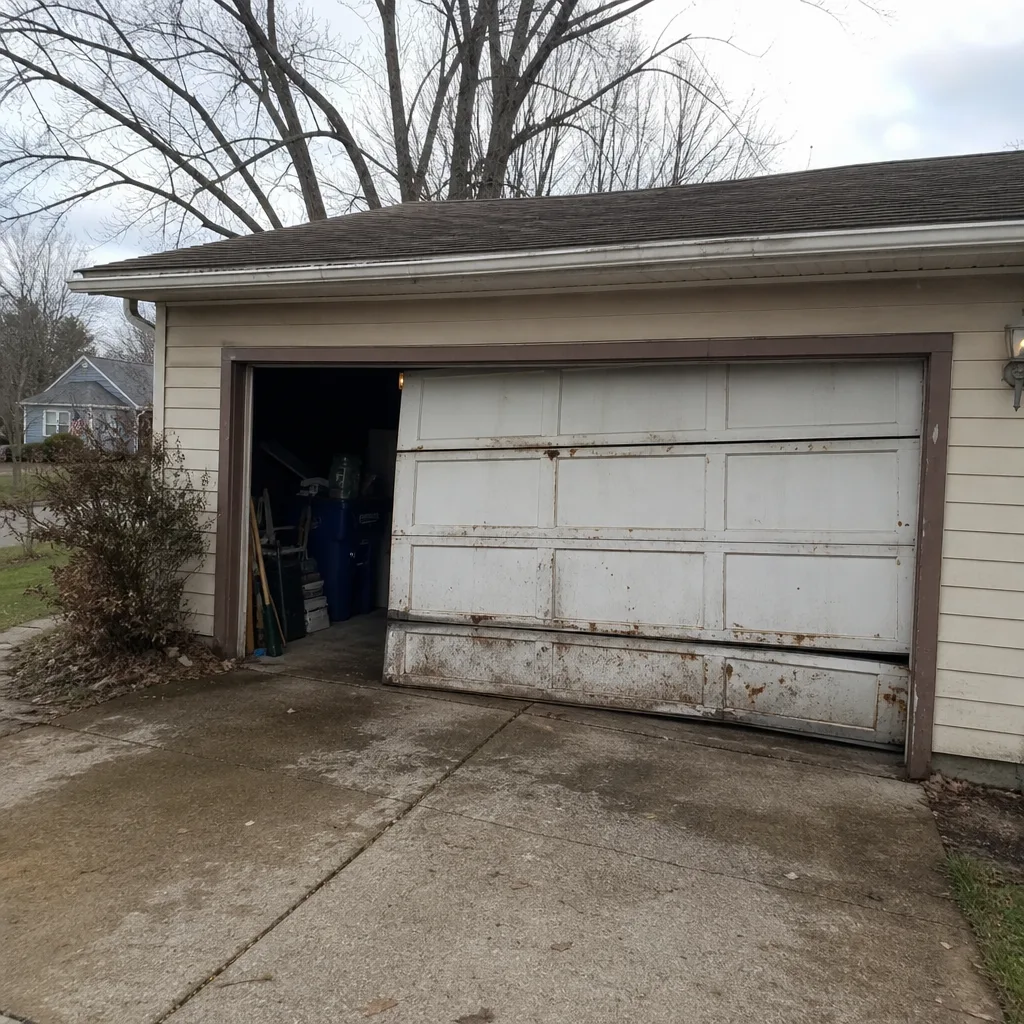 Before
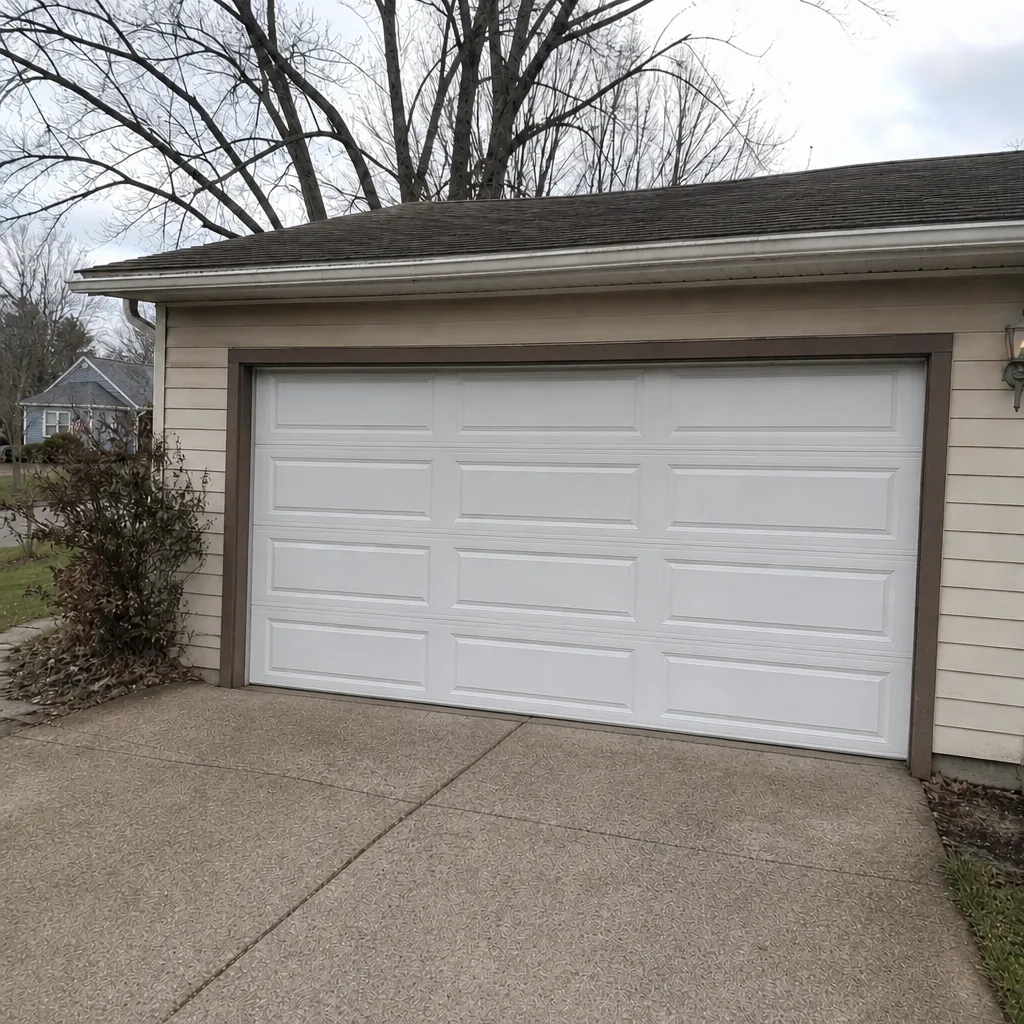 After
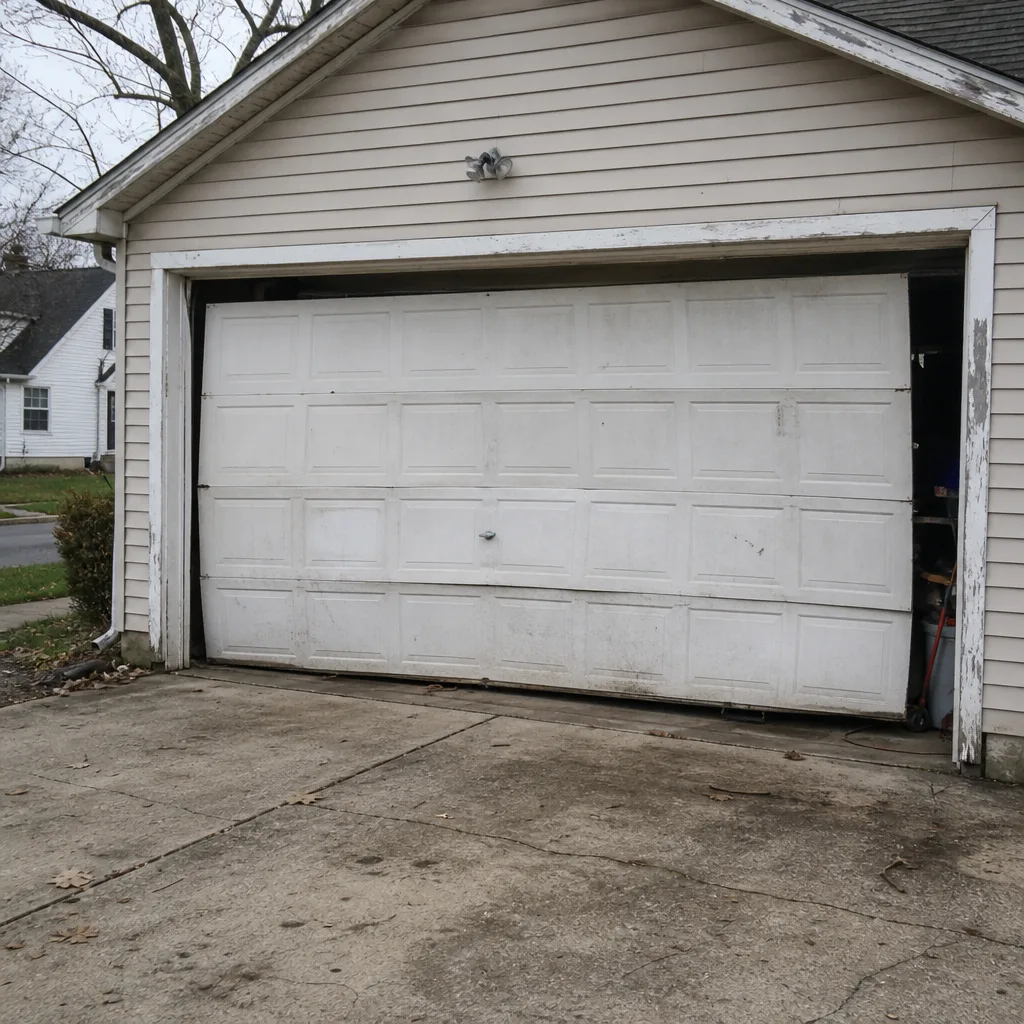 Before
 After
 Before
 After